


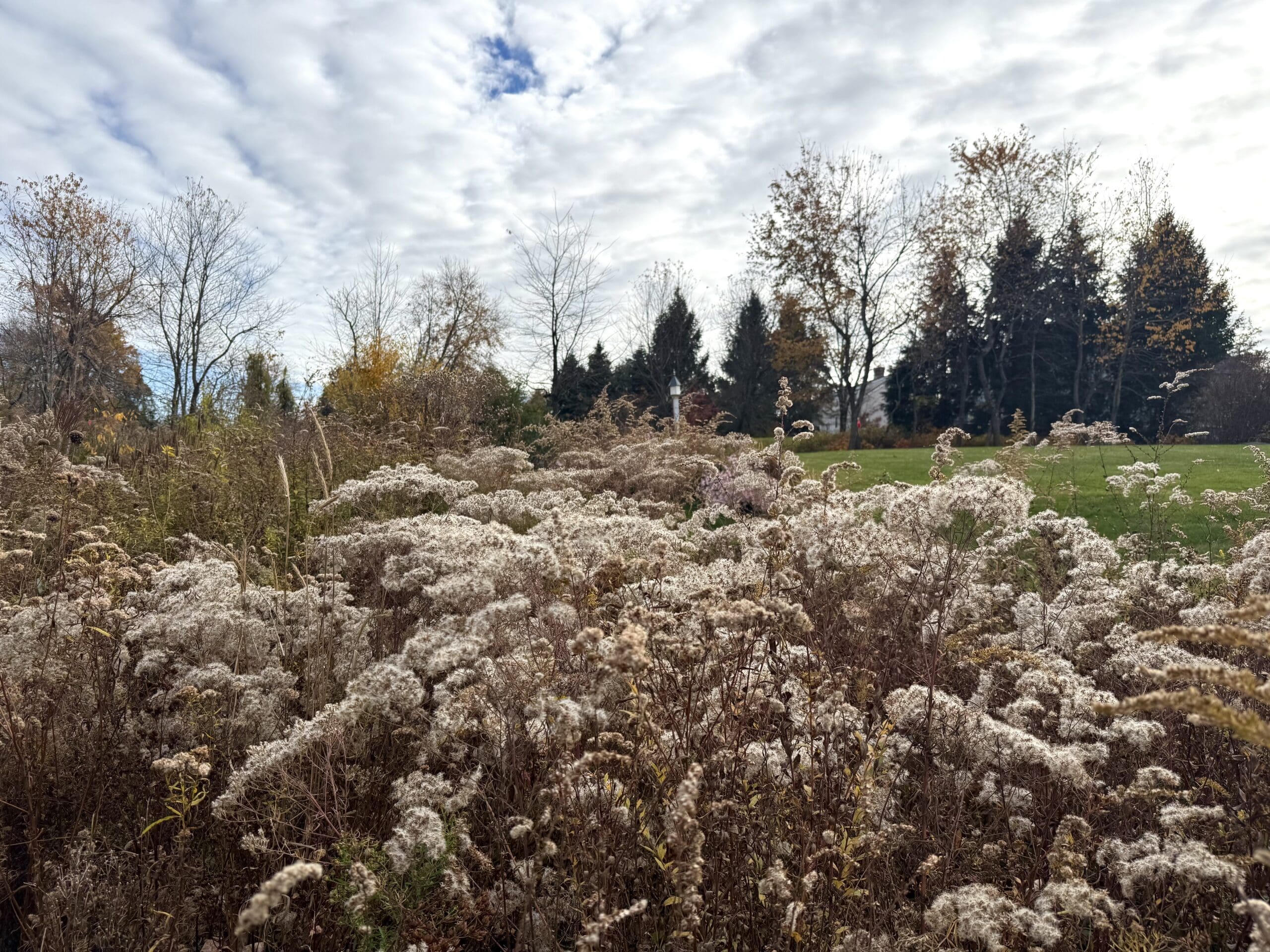
When the flowers fade and the growing season comes to an end, it’s natural to want to tidy up the garden. But a meadow’s value doesn’t end with summer.
Through fall and winter, dried seed heads can provide food for birds, while plant stems and grasses offer shelter for insects and other small creatures. A standing meadow also brings texture, movement, and beauty to the winter landscape.
Here are a few Connecticut-native meadow plants to look for before reaching for the pruners:
Goldenrod
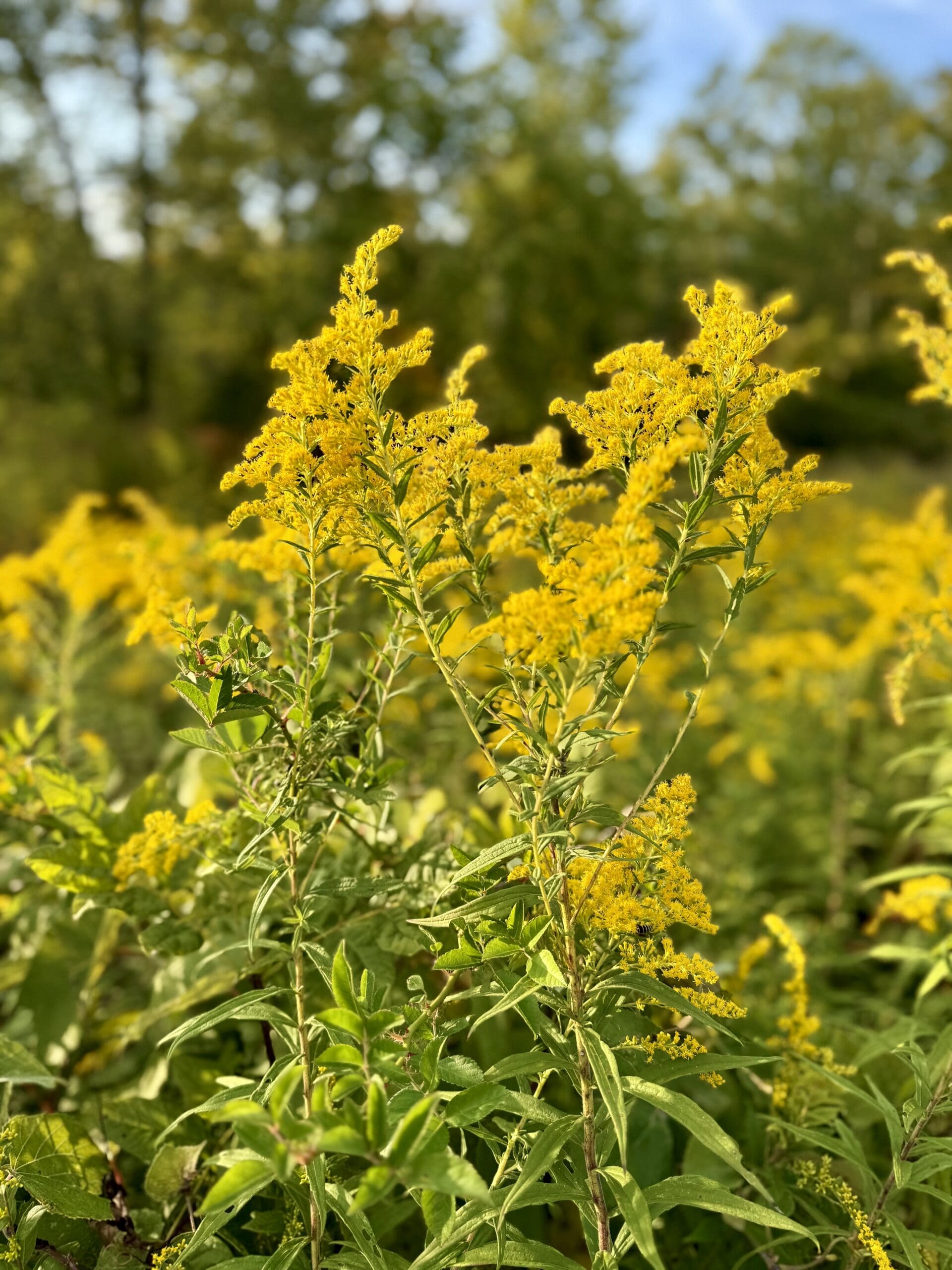
Goldenrod’s bright yellow flowers are a familiar sight in late summer and fall. After the blooms fade, its seeds can feed birds, and its stems may shelter insects through winter. Some goldenrod stems also develop small, round swellings called galls, where insect larvae spend the colder months.
New England aster
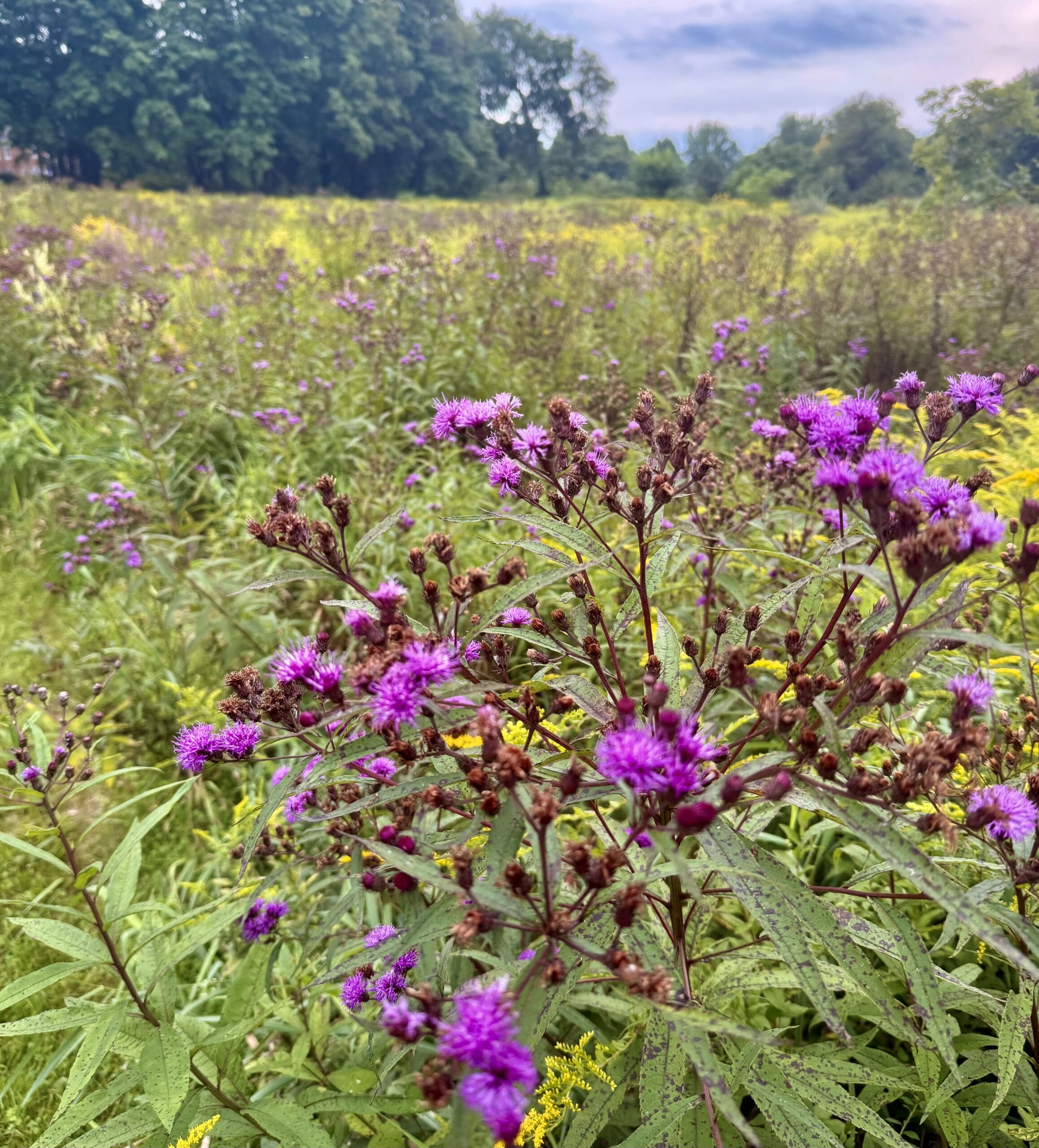
A favorite of late-season pollinators, New England aster continues to support wildlife after its purple flowers fade. Its seeds can provide food, and leaving the stems standing helps preserve potential shelter for overwintering insects.
Black-eyed Susan
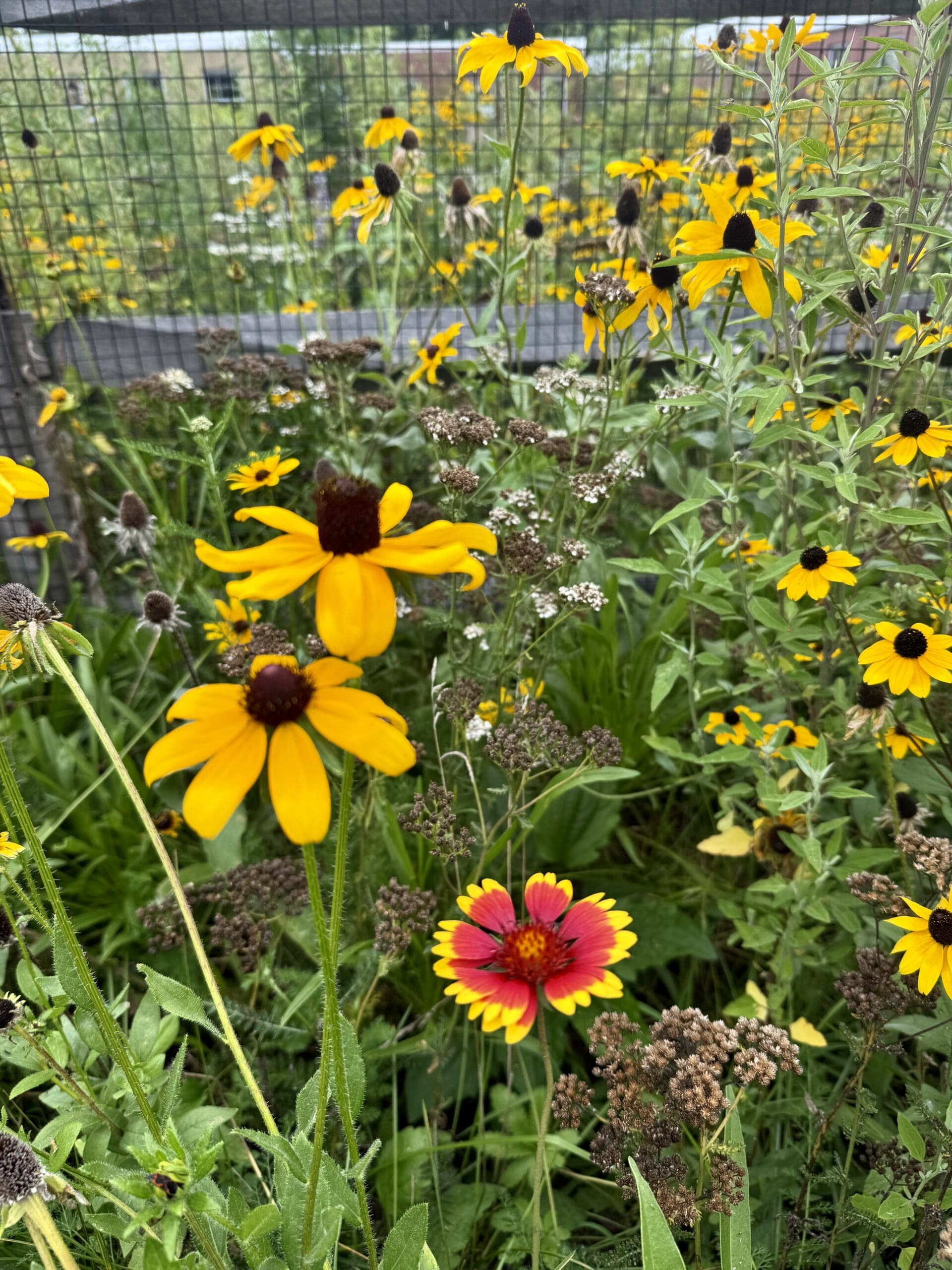
The dark, cone-shaped seed heads of black-eyed Susan are worth leaving after the golden petals have faded. Seed-eating birds may visit them in fall and winter, while the standing stems add structure to the dormant landscape.
Little bluestem
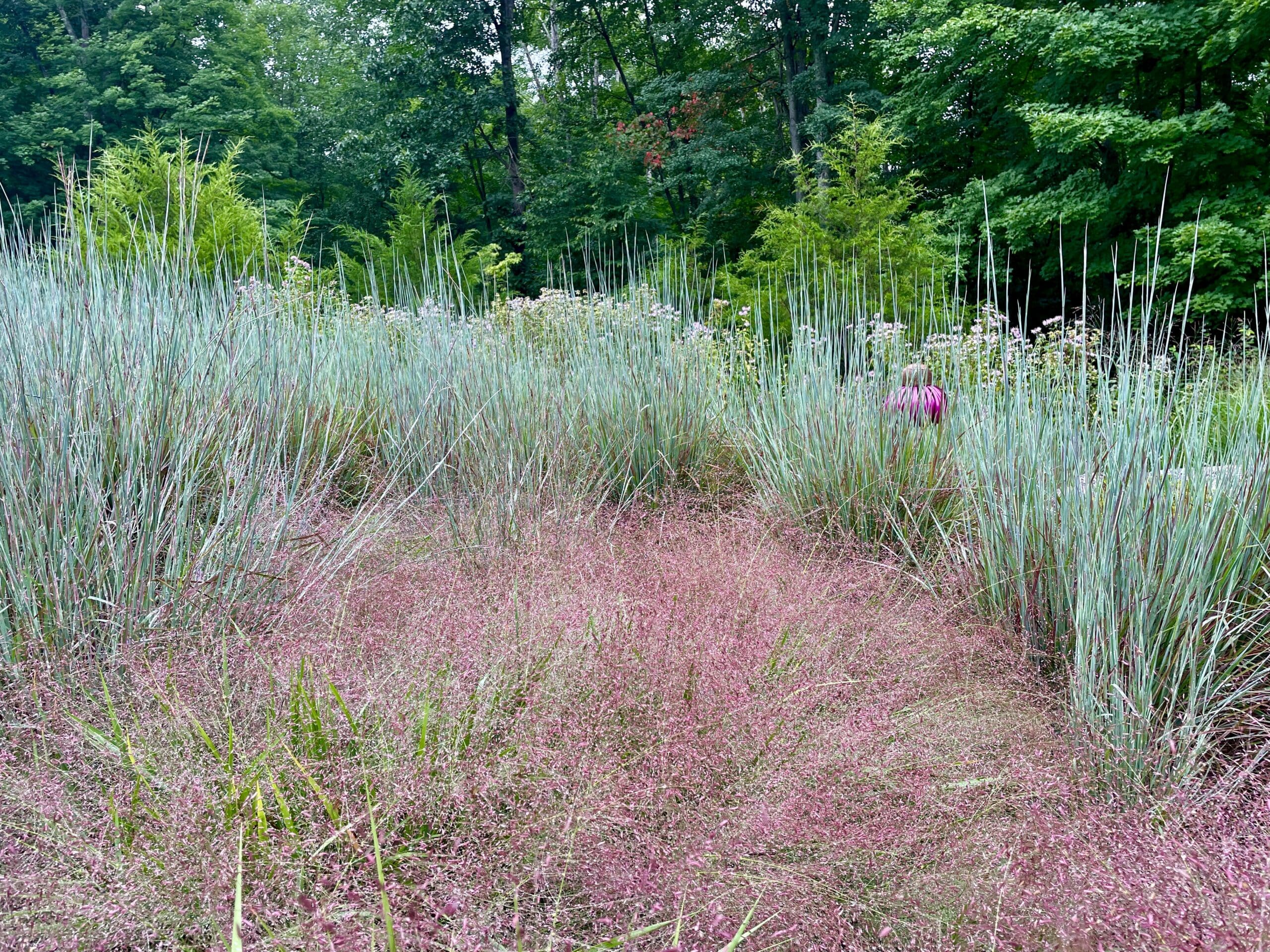
This native grass brings copper and reddish tones to the meadow as the weather cools. Its seeds provide food for songbirds, and its dense clumps can offer shelter for overwintering wildlife. Its feathery seed heads are especially lovely when they catch the low winter light.
Joe Pye weed

If Joe Pye weed grows in a moist part of your meadow or garden, consider leaving its sturdy stems standing. They add height and texture through the colder months and may provide shelter for insects.
When should you cut back?
When spring arrives, there’s no need to rush. Consider leaving some stems in place as the garden wakes up; insects emerge at different times, and standing stems can continue to provide habitat. If you do cut plants back, leave a portion of the meadow undisturbed to preserve shelter and food for wildlife.
Whether you have a sprawling meadow or a small patch of native plants, leaving some of it standing through winter is a simple way to make room for wildlife—and enjoy your landscape in a new season.