

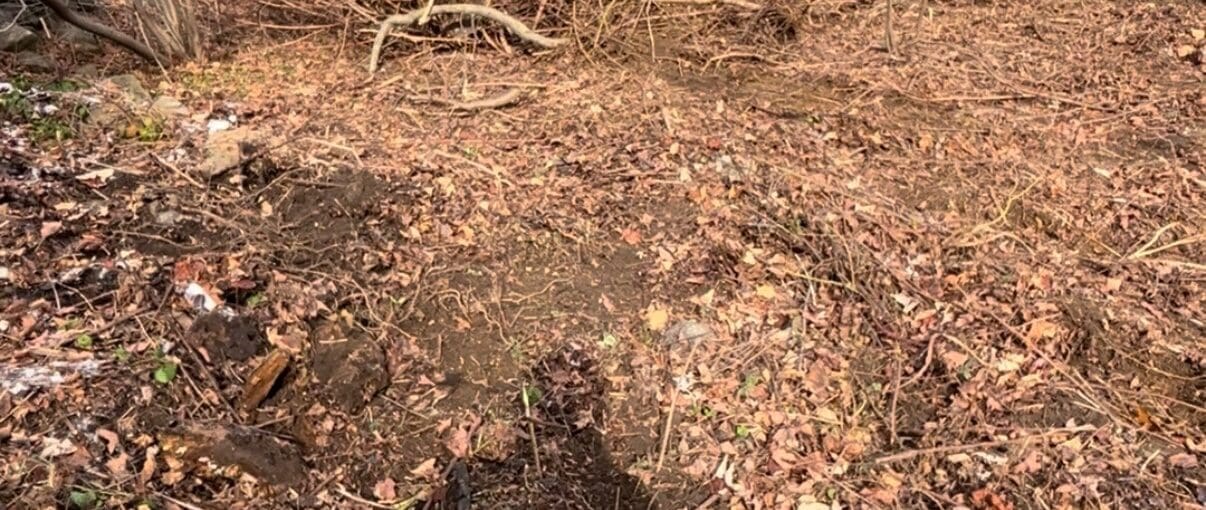
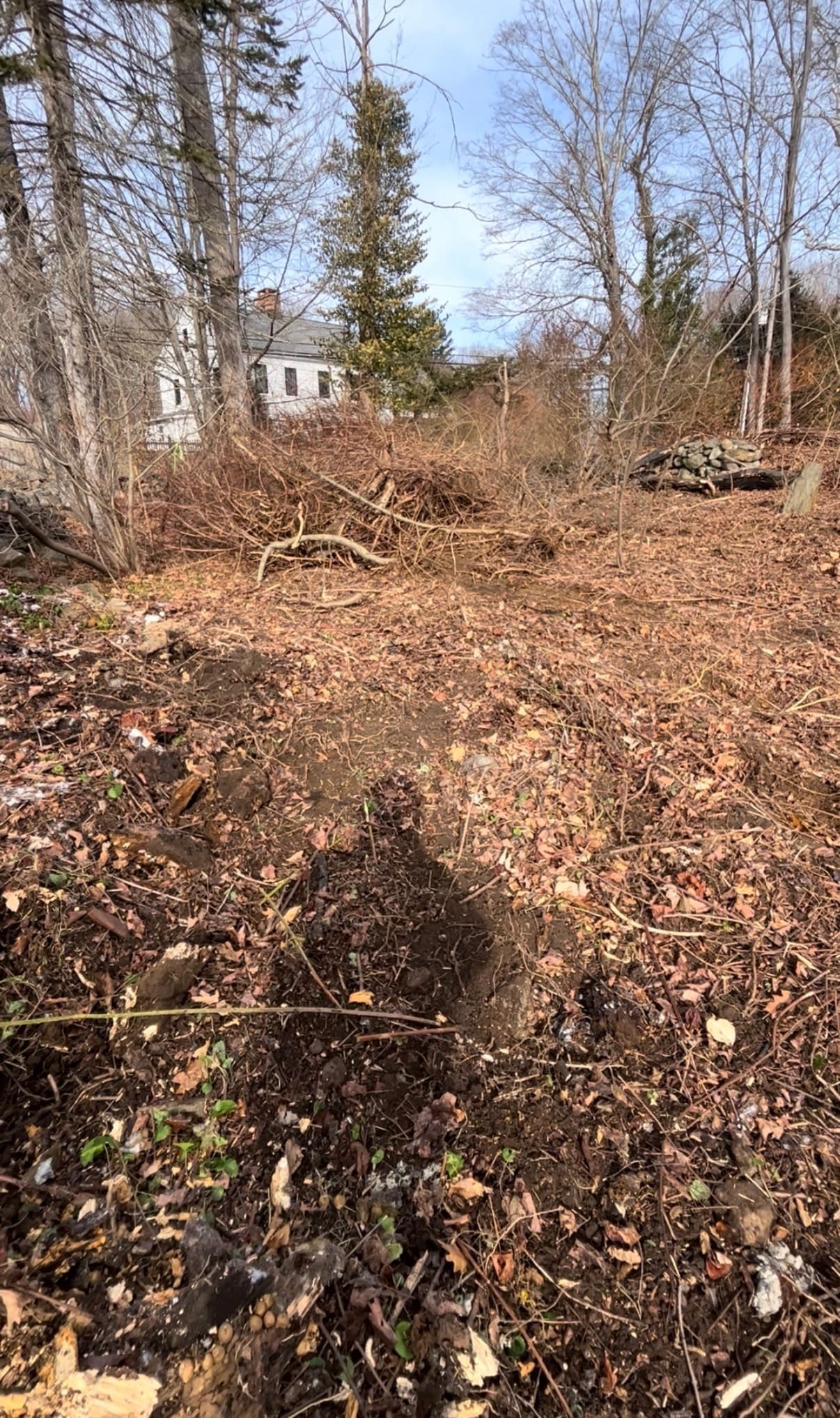
Invasive plants in Fairfield County are more than a landscaping nuisance—they are a threat to our watershed, public safety, and infrastructure. From roadsides to riparian corridors, invasive species destabilize banks, increase stormwater runoff, and drive up municipal maintenance costs. Traditional reactive mowing only perpetuates this cycle.
We propose a superior model: treating native restoration as distributed green infrastructure. By replacing invasive monocultures with biodiverse native systems, municipalities and landowners achieve measurable results:
- Enhanced Infrastructure: Improved stormwater performance, stabilized banks, and clearer roadway sight lines.
- Fiscal Efficiency: Reduced long-term maintenance costs and streamlined MS4 regulatory compliance.
- Ecological Impact: 4–6x greater pollinator abundance and critical habitat support for the Atlantic Flyway.
- Climate Resilience: Increased carbon sequestration and long-term environmental stability.
This is infrastructure planning, not just conservation. By prioritizing high-impact corridors and tracking performance metrics, we transform neglected land into resilient ecological assets.
Holmes Fine Gardens partners with towns, land trusts, and property owners to implement professional inventory, treatment, and restoration programs.
Let’s rethink the landscapes that shape our waterways and our future.