Introducing Our New Designer

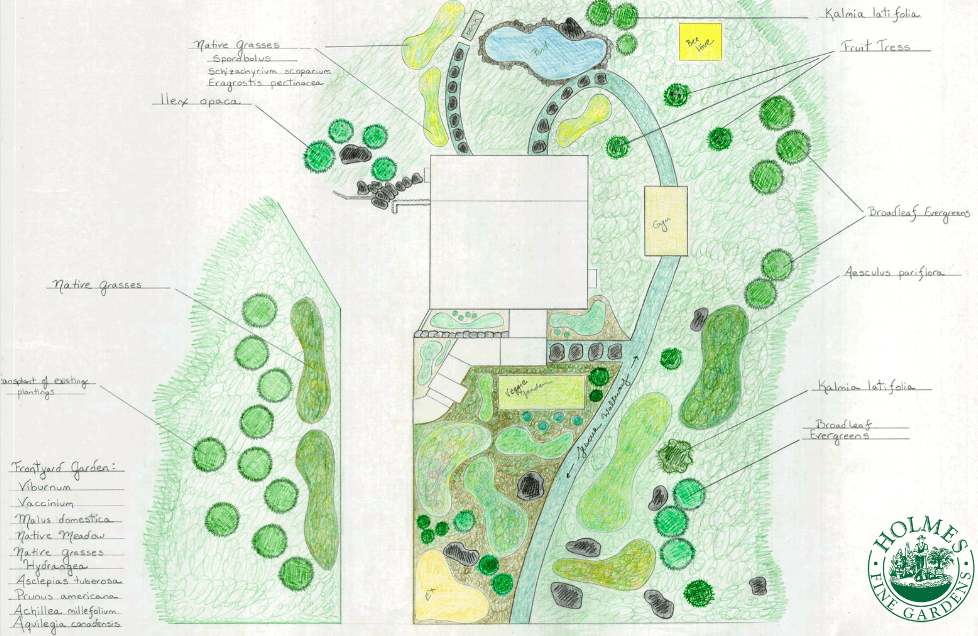
Hand-drawn garden design

A recent hand-drawn favorite.


Darylynn joined Dan’s design team last season after moving here from Manhattan where she recently traded fashion for flowers. She comes to Holmes Fine Gardens with a background in designing shoes and accessories. Designing gardens is a natural transition she’s just as passionate about.

As they say…once a creative, always a creative.

Her newest accessory? Nature!


Enjoy this fun Q&A to get to know a little bit

about Darylynn


What’s one interesting fact about you that we wouldn’t learn from your resume alone? That my favorite movies are from the 1920s to 1940s and that I will stop whatever I’m doing if a Fred Astaire movie is on.


If you were a flower, what kind of flower would you be and why? The Calla Lily because it symbolizes gratitude.


If you had a choice between two superpowers, being invisible or flying, which would you choose and why? Flying because birds seem to be having a blast!


Last thing you read? The second edition of “Feel Free” magazine, founded by interior designer Leanne Ford.


What part of the day is your favorite & why? The crack of dawn to catch the sunrise. It’s a magical occurrence you can count on daily – pure beauty.


Favorite garden style? I am obsessed with topiary and meadows – British and French-style gardens are a big source of inspiration.


When you’re not working at HFG where can we find you? Hiking with my two loves, my husband Joseph and my fox terrier Fonzie.


Something, not many people know about you?” I collect bugs. The star of my collection is a dragonfly.


Finish this sentence, “I find garden design” … I find garden design fascinating.


What part of the garden design process do you enjoy most? I enjoy the whole process but if I had to pick just one aspect, it would be sketching the actual garden because that’s the moment the design starts to come to life.


Are you a country mouse or a city mouse? A city mouse masquerading as a country mouse.


Do you have a landscape architect muse? Yes, Geoffrey Jellicoe – he had a long-distinguished career. #LifeGoals

A Focal Point For All Seasons

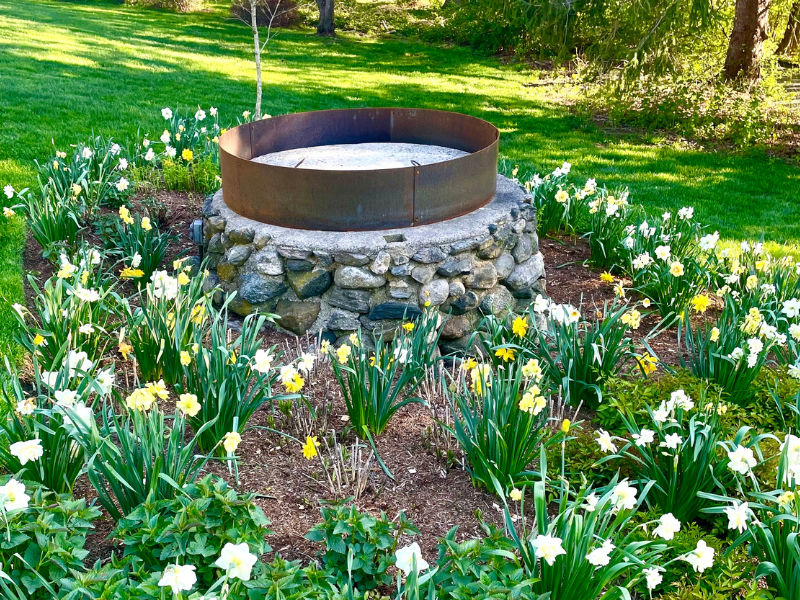
Basic fire pit ring in place.

Basic firepit ring in place and ready for planting.

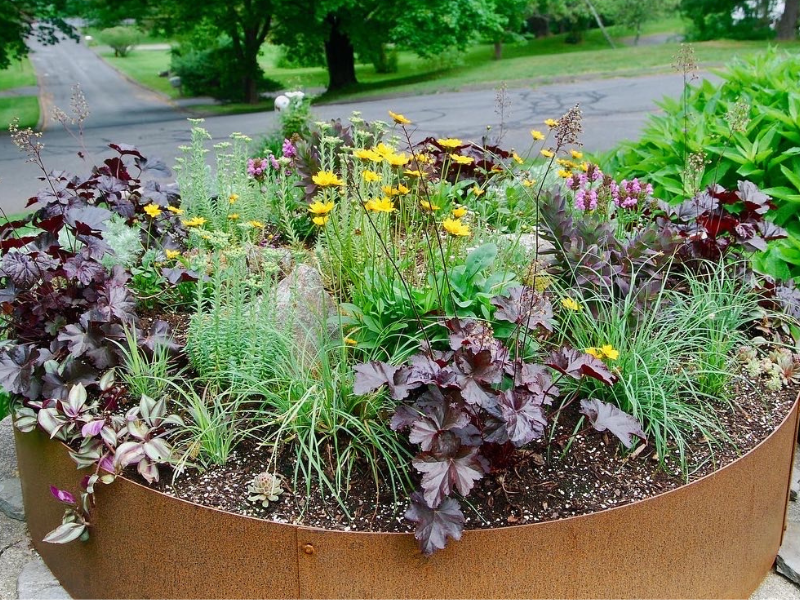
As part of the front yard renovation of this beautiful property in Newtown, the homeowners wanted to creatively hide the top of their well cover while adding interest and color. The house itself is perched high up on their land with a pastoral view that draws the eye right down to the top of the well, a bullseye of sorts, that needed a creative boost.

Firepit ring in place and ready for planting.

With a diameter of 60″ it initially proved challenging to find a container to plant in that would cover the well cap in its entirety. After searching local garden centers, getting creative with local artisans, and searching in-depth on Google, it was a firepit ring insert that turned out to be a cost-friendly option that worked well and just made sense.

Freshly planted container garden.

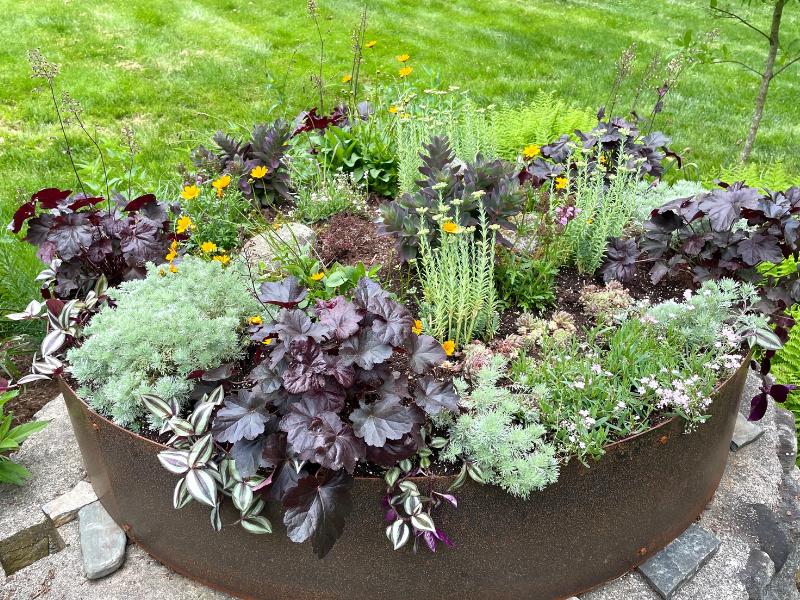
A unique array of plant material provides textural blooms with seasonal staying power.Once purchased and in place with the right foundation and soil mixture, we set out to a few local garden centers to search for a mix of perennials, annuals, and succulents that combined color, texture, and ease of maintenance along with the sun factor (full sun!). We also wanted to create an ever-changing, mini landscape that would produce new blooms and color variations with the seasons just like a full-scale landscape design.

In the end, it came together beautifully.

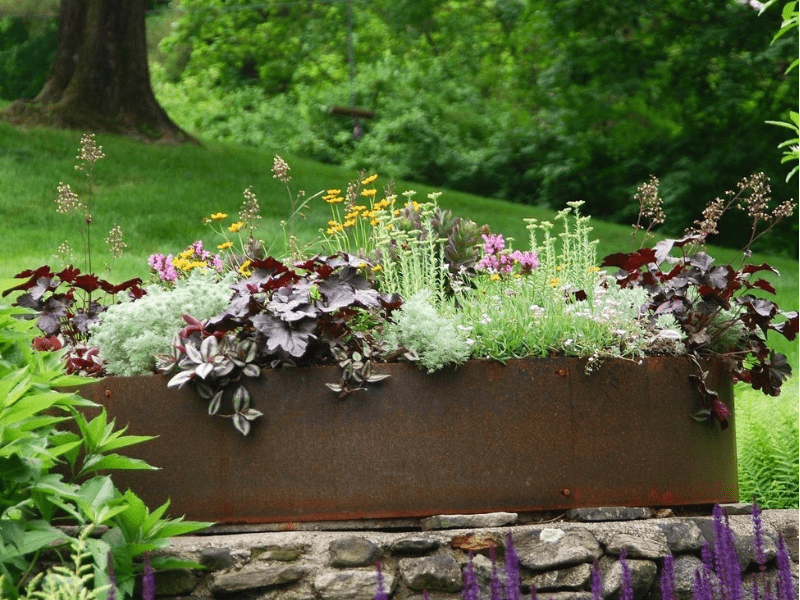
Finished container garden.


Planted container garden.

A bullseye worth admiring! From both the street and the house. 

“We knew we had a pretty rock well that could be an interesting focal point in the front yard but didn’t have the expertise to execute a plan. Dan’s team created a garden that continuously blooms, bringing varied interest and beauty throughout all seasons. We also recently renovated the exterior of our home and wanted a layered landscape that would both welcome visitors and create peaceful spaces.”

~ Homeowner, Jessyca


6 Steps for Installing a Native Wildflower Meadow

Native wildflower meadow

Wildflower Meadow – Holcombe Hill, Newtown, CT. We’ve been talking about meadows for many years. And yes, we’re passionate about planting them here at HFG. Why? There are many benefits to you, the homeowner, and even more to Mother Earth.

By planting natives, the foundation plant of a meadow, you become part of the ever-important link between native plant species and native wildlife, including birds, insects, bees, and more. And, you get to say goodbye to mowing that section of your lawn, which saves you time and money – and has additional sustainable benefits to our environment. 
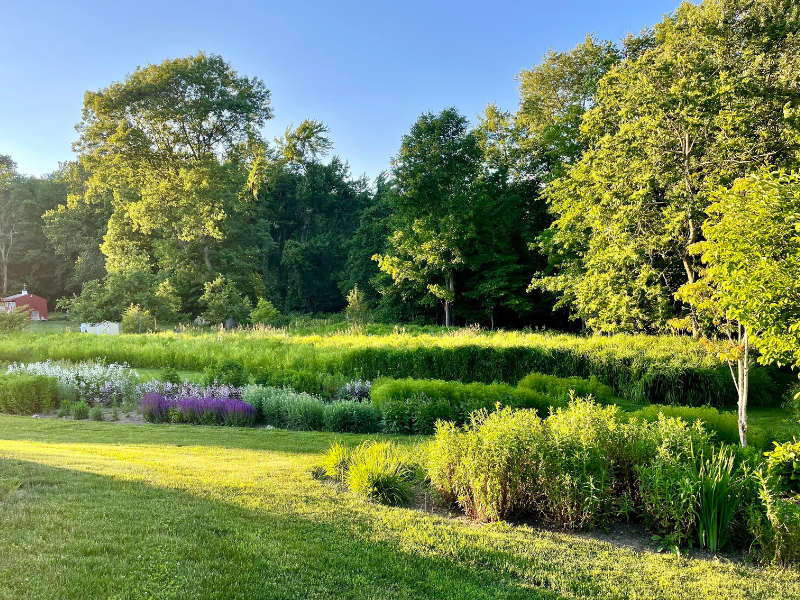
Native meadow as yard

Mow time is cut in half and beauty exudes.

This statistic really hits home. According to the U.S. Environmental Protection Agency (EPA), one hour of operating a new gasoline lawn mower emits the same amount of volatile organic compounds and nitrogen oxide as driving a new car 45 miles. Garden equipment engines produce up to 5% of the nation’s air pollution. Sobering.
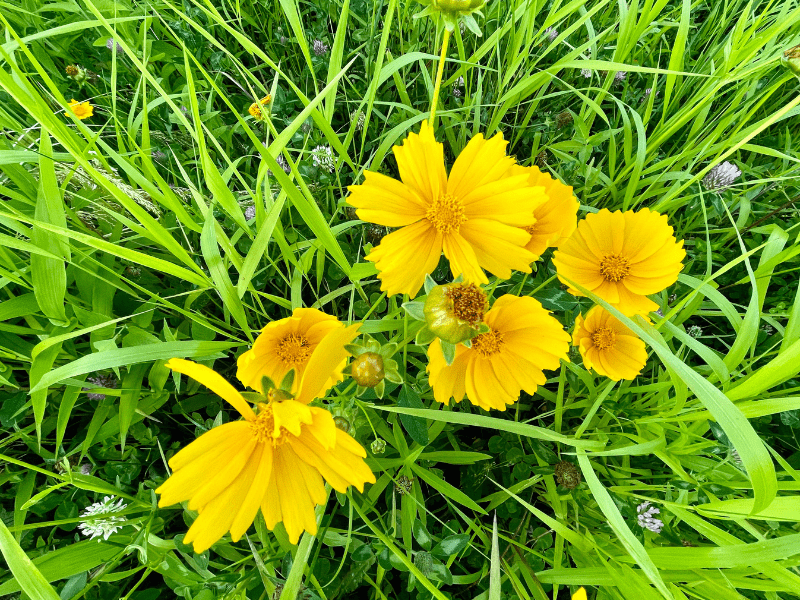
Summer blooms in native meadow

Early summer blooms in this local, native meadow.Now, let’s get back to what it takes to install a meadow on your property – large or small.

Proper meadow installation will only be successful if you use the correct preparation methods to avoid pitfalls. We typically start by making sure enough time is spent ridding your area of aggressive plants and mowing the meadow down the first year when the height of the growth reaches 12”. These are general best practices. There are many other exceptions and nuances to consider when installing a meadow, but don’t let it overwhelm you – we are always here to help!


6 Steps for Meadow Success: 


1. Selecting a location: Find a suitable, open location that receives approximately 6 hours of sunlight each day.

2. Assessment of site: Assess the existing vegetation. What plants are currently growing at this point in time? This step will determine what happens next.

3. Prepping the site: This step can be the most labor-intensive step based on what vegetation is in place. If the area is comprised of many woody, shrubby, or large thorny plants and/or aggressive non-natives, these will have to be removed first. Methods for ridding the area of these tough plants might include mechanical removal, burning, or selective herbicide treatment. 


If the area contains mostly existing lawn and other cool season grasses, we rid this area of vegetation by:


Mechanical removal: We prefer a sod cutter in areas where minimal stone and a good stand of existing grass are present.

Solarizing & Mowing: First, we start by mowing the grassy vegetation as low as possible (scalp mow) and then we often solarize the area by placing a plastic sheet over the top of the vegetation. Depending on the type of vegetation present (and if it’s an aggressive species), we would leave the sheeting in place for a minimum of 3 months. 
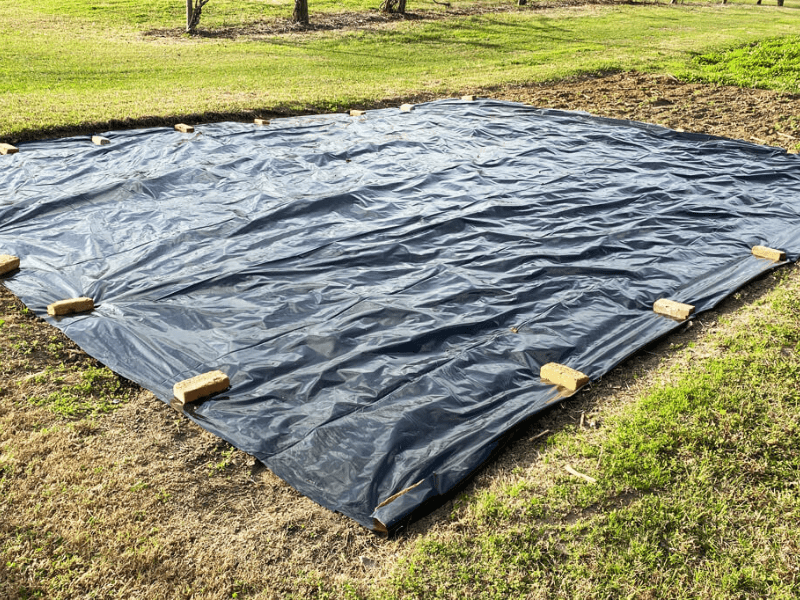
Solarizing the site and prepping it for planting

The solarization process is underway.

Once the vegetation is removed, we prefer to let the area grow out again, especially if there are a lot of aggressive annual weeds such as crabgrass that have seeds lying dormant in the soil, just waiting for the chance to germinate. Once these begin to grow again, we revisit mowing, spraying, and solarizing, or even all three! If we opt to spray, we will use a non-selective herbicide at this point, or even a natural mix of vinegar, salt, lemon juice, and soap to kill the shoot growth. Unfortunately, these organic sprays do not translocate to the root zone and will only kill off the shoots, so several repeat applications may be needed. 

4. Seeding…the fun part! After the site is generally weed free, it’s time to seed the area. We would collaborate with you on choosing a native seed mix suited to the area and growing conditions: dry, wet, or average soils.

How do we plant all of these seeds you ask? If the area is a manageable size, we lightly fracture the top surface of the soil using a stiff metal garden rake. For larger meadows, we like to use a rake towed behind a tractor or we may opt for a drill seeder. This method is used to evenly and efficiently fracture the soil and distribute the seed. Once the soil is ready and the seeding rates have been established, we prefer to mix the seed in a carrier such as a clay kitty litter container (yes, I said kitty litter!) to aid in distribution – it works well.

After seeding, a light covering of hay is laid down to protect the seed from birds and from washing away in potentially heavy rainfall.
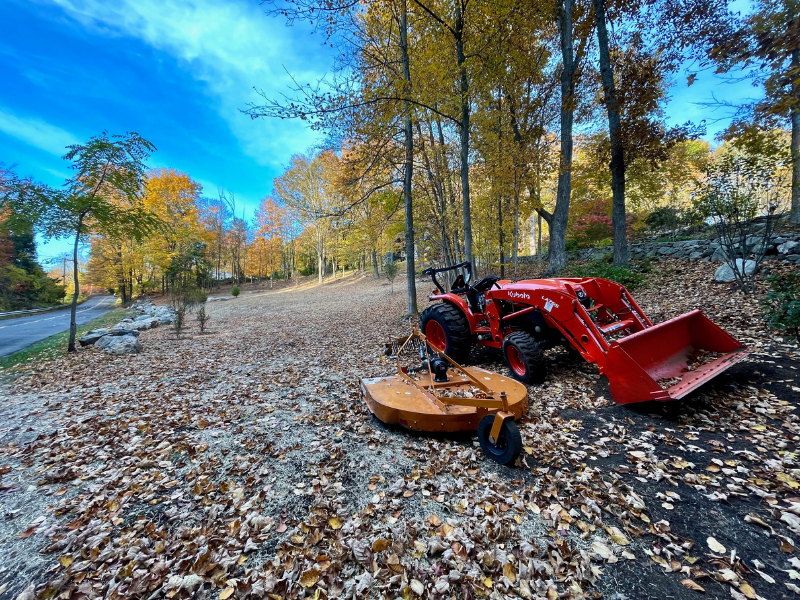
Hay is laid for protection

Hay is laid for protection.

5. A daily rain dance: This important method may be needed and is dependent on what type of weather pattern we’re having. Praying for rain can also help.

6. The final critical step: Once your meadow reaches 12-18” the first season, we will need to mow the area down (even if there are flowers…yes, tough…we know!). We do this at a minimum until late July – it allows the young developing flowers to become strong enough to stand up against the more aggressive grasses in the seed mix.
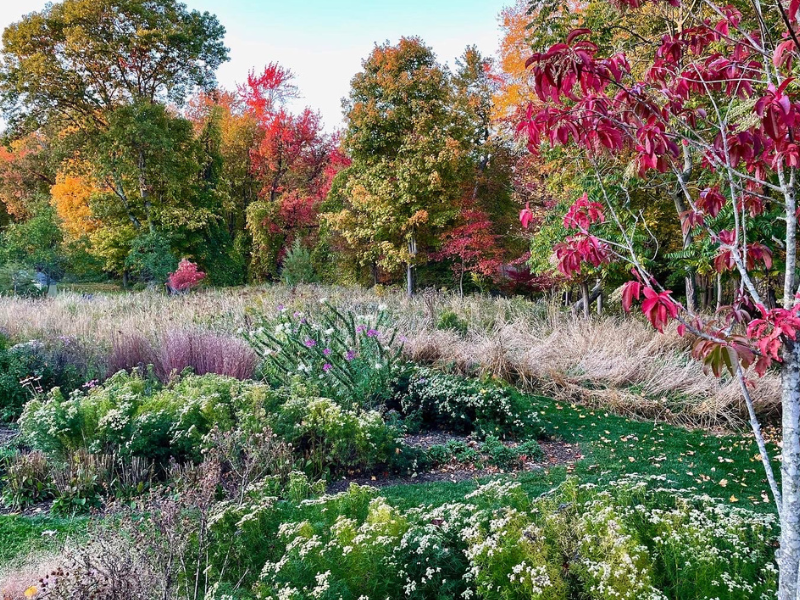
fall native meadow

This homeowner is now reaping the reward – seasonal beauty.

Sit back and enjoy your, new, ever-changing landscape – complete with all of its seasonal offerings while knowing you’ve given a special gift back to our friend Mother Nature.


Tranquil Space – an Invitation to Presence

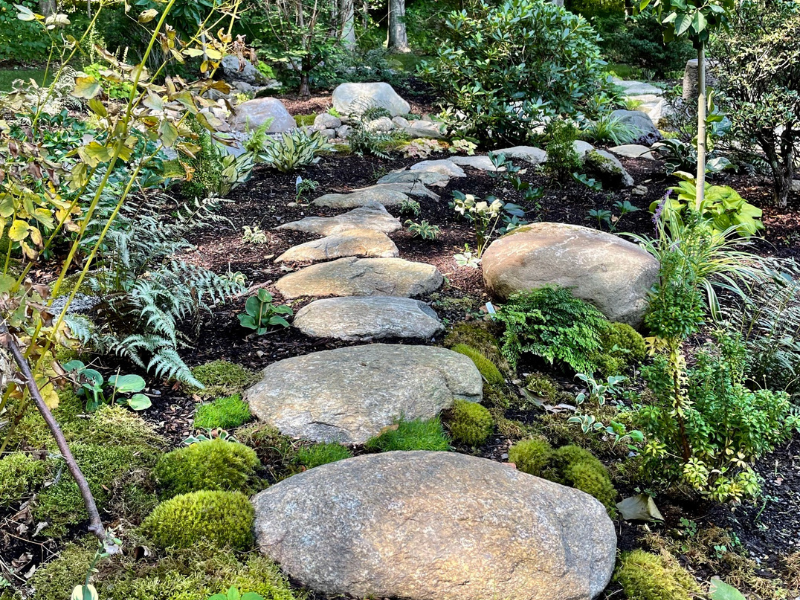
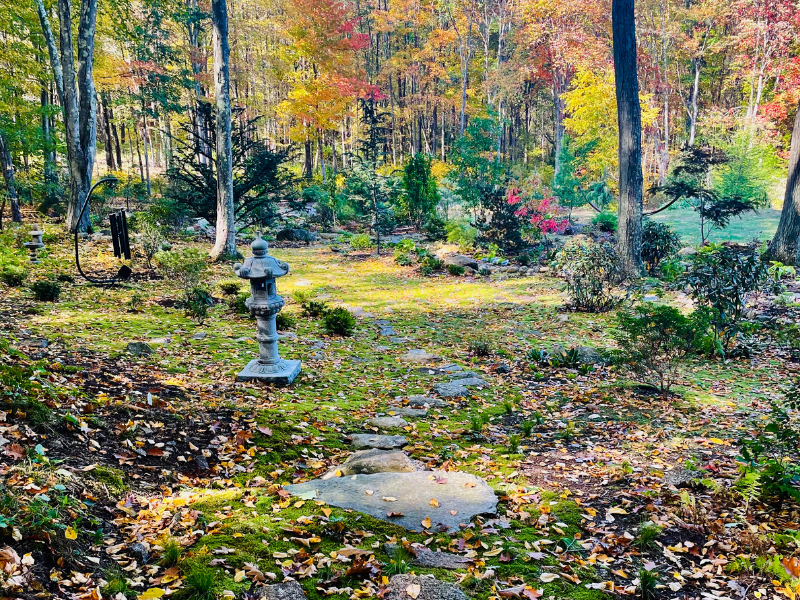
A natural stepping stone path.

The precise placement of stepping stones invites one to deliberately slow down one’s pace.

For 19 years, the land placed in our stewardship lay untouched and silent with respect to its purpose.  Aside from a few photo ops in the snow and the occasional round of catch or frisbee, the land remained a peripheral witness to our busy indoor lives — that is, until we met Dan, Owner/Founder/Designer – of Holmes Fine Gardens. With his magical, easeful manner, he brought a rising breath to our resting land and the movement began. As the first trees were felled and the first blades cut into the earth, I began to tune into the heartbeat of the land, and it started to divulge in a wordless language that it would someday soon become an extension of me, and me of it.

Over time, Dan became an integral part of this deep tuning in process, as he had a connection to the earth that I had not yet cultivated. He seemed unhurried and receptive, and I immediately trusted him to co-navigate the transformation of our property with aesthetic design guidance from our landscape architect, Emily Musall Fronckowiak, APA Certified Aesthetic Pruner. While Emily began designing our new walkway, deck, outdoor kitchen, koi pond, and zen garden around our want for visual serenity, Dan brought a diversity of life and extraordinary color to the property by planting an extensive, lush pollinator meadow, and dotting the land with his favorite natives. I remember the sharp pang of regret I felt upon realizing how little sustenance our land had offered the wildlife for nearly two decades, and I was thrilled to be creating new habitat. I didn’t recognize it at the time, but thinking about habitats was the catalyst I needed to unleash my desire to “invite”. 

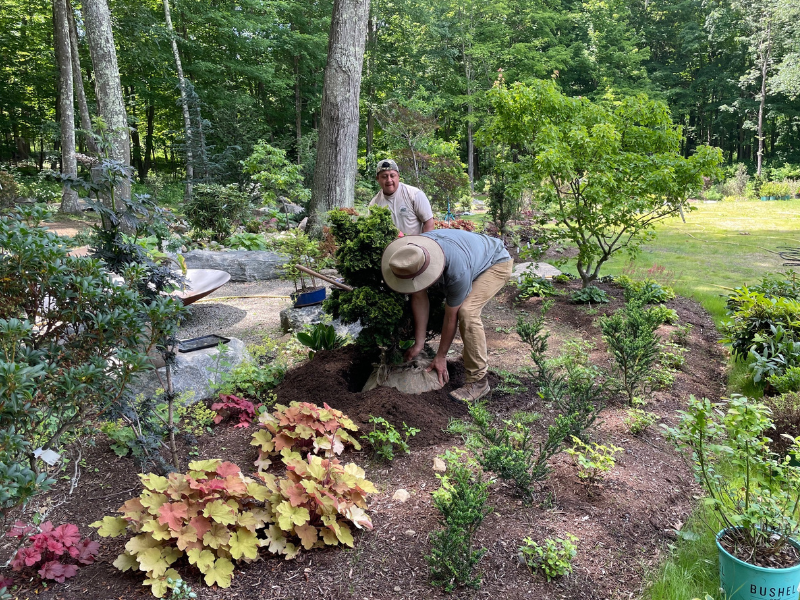
The plant installation process.

Fast forward to 2020 – the transformation began to take shape.

I began to see the land, as a picturesque setting for our home, as well as a restorative outdoor living space for our family and guests; a place in which to drop from the head to the heart, as they say. Dan’s palpable respect for the native environment and its offerings of natural boulders, ferns and mosses, and refuge for wildlife heavily influenced many of my choices as I began tuning into the heart of the garden. The rising vision of a “contemplative garden” serendipitously brought us into collaboration with Japanese landscape architect, Takaya Kurimoto. Takaya listened keenly to the experiential objectives I sought to achieve and expertly translated them into a multi-themed garden plan, influenced by Japanese garden design and spatial concepts. Ultimately, I wanted the garden to be a space, like the pauses in poetry, where one could step out of time and meet themselves fully. ~ Anáil Moon

Enjoy this visual tour of Anáil’s property – a land where one can experience and enjoy the spirit of welcoming and healing.

Japanese cultivars amid natural stone in the garden.

A breathtaking fusion of rare Japanese cultivars and native New England flora coexist beautifully.

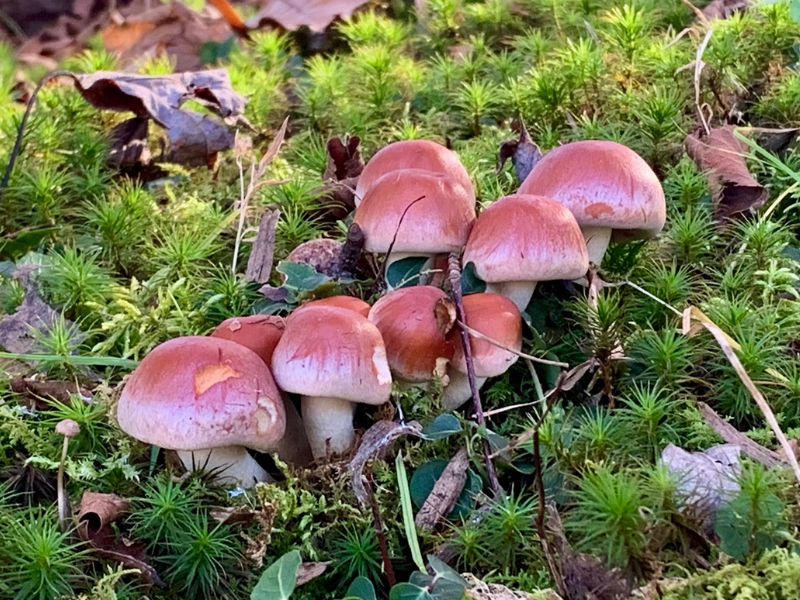
Mushrooms among moss

Brilliantly colored fungi thrive among the moss.

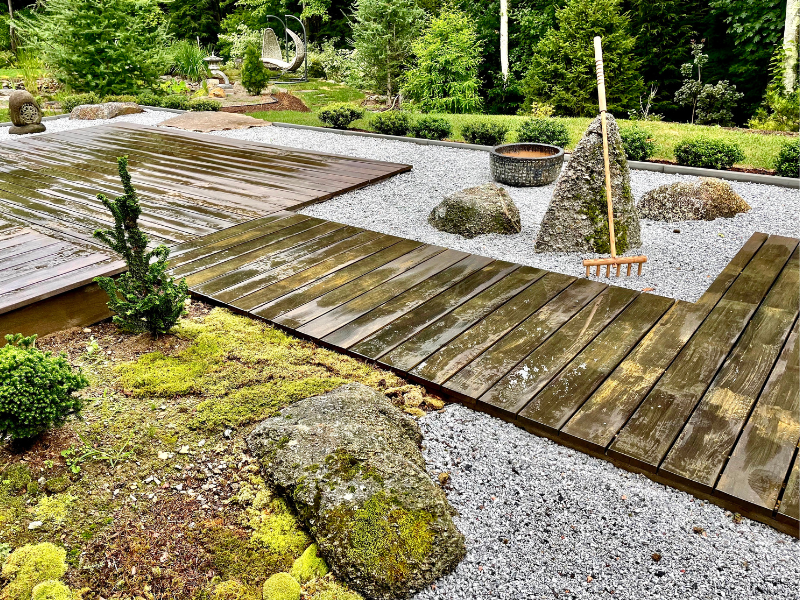
Zen garden with rake and special stones

The Zen Garden – a special place to exhale fully and experience the effortless ease of being.

Approaching the garden from the woodland.

“As I tuned into the heartbeat of the land, it began to divulge into a wordless language that would soon become an extension of me, and me of it.” ~ Anail Moon

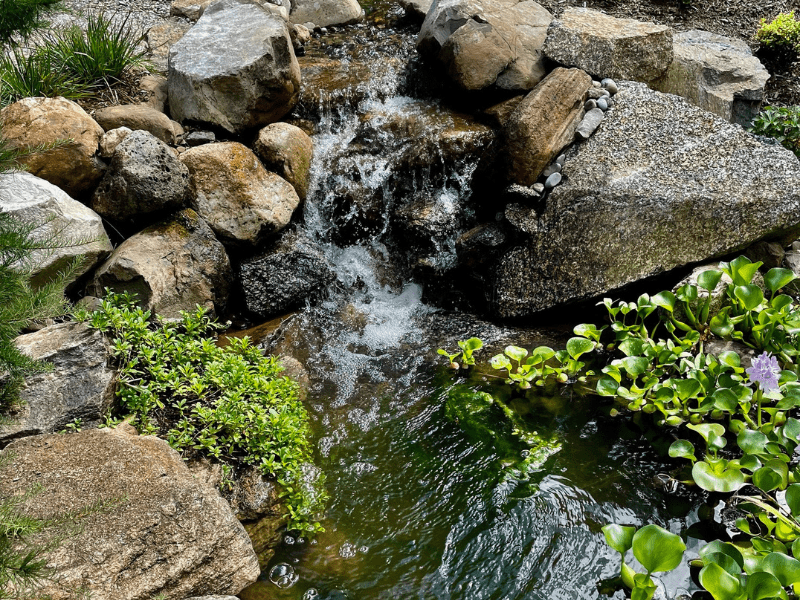
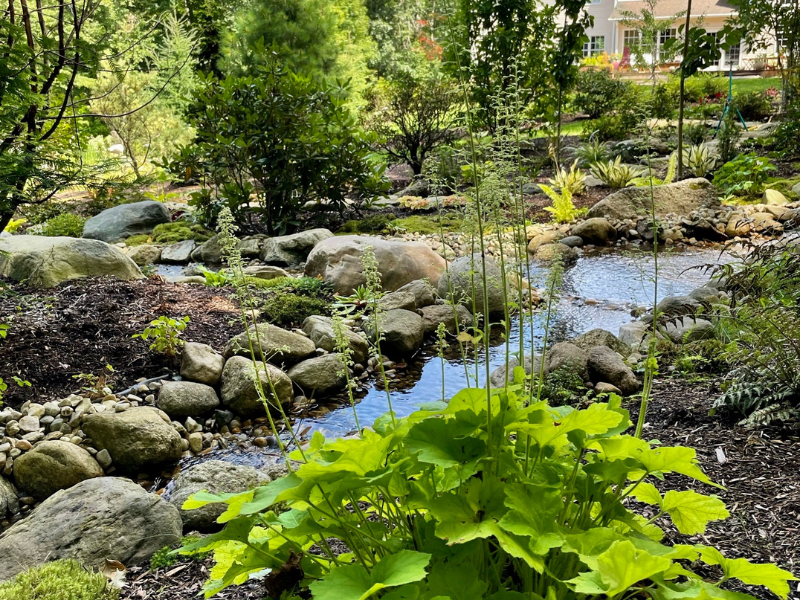
A natural stone stream.

Plantings along the winding stream keep the energy of the land flowing reminding us that it is our very nature to be – in flow.

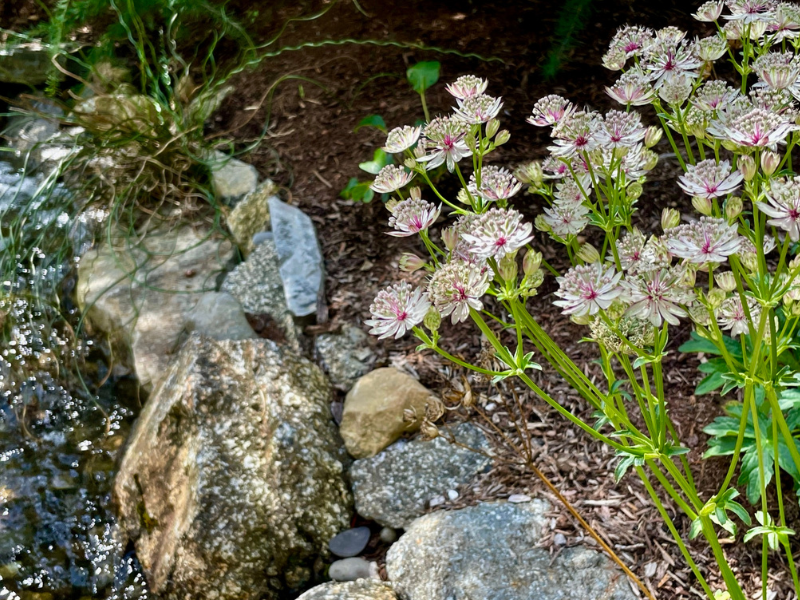
Perennial alongside a stream.

‘Astrantia major’, Masterwort – an unusual, starry-eyed edition. 

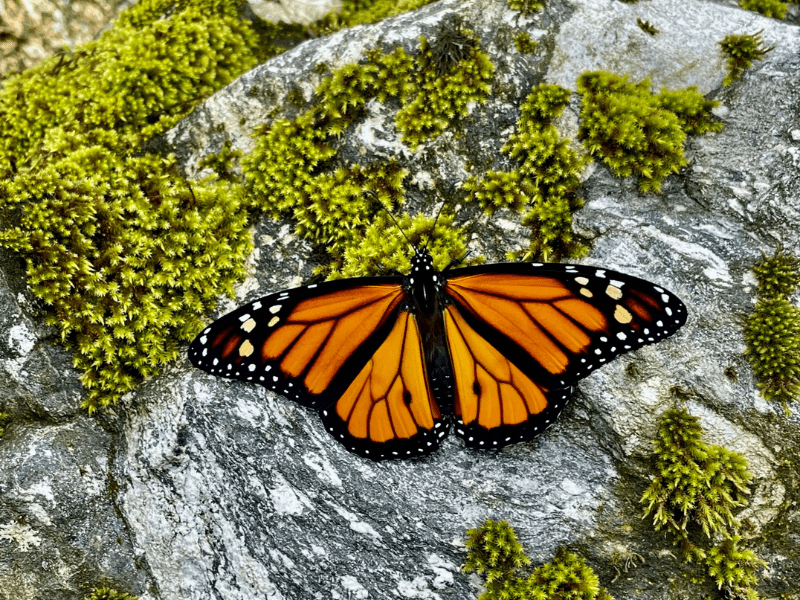
A monarch butterfly resting on a mossy stone.

A rare Monarch butterfly enjoying the mossy montage.

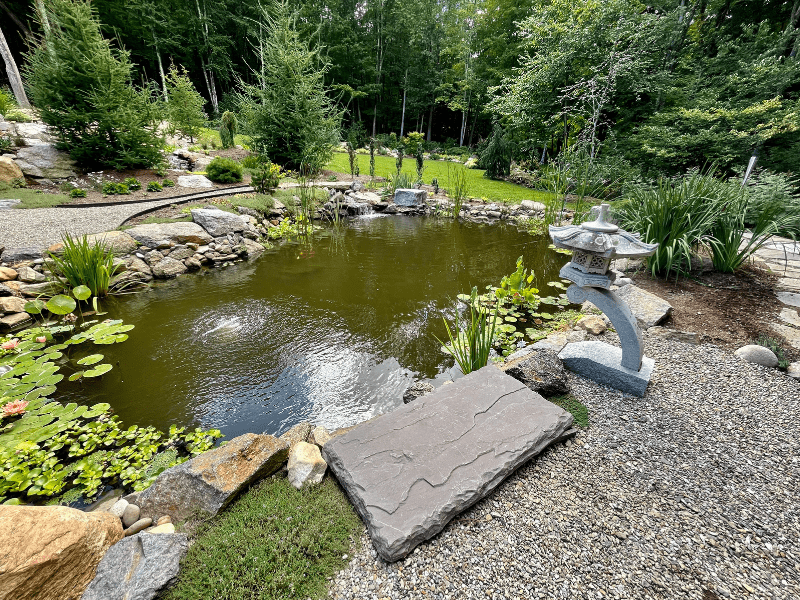
The koi pond and surrounding statues.

The koi pond provides a point of visual serenity within the landscape.

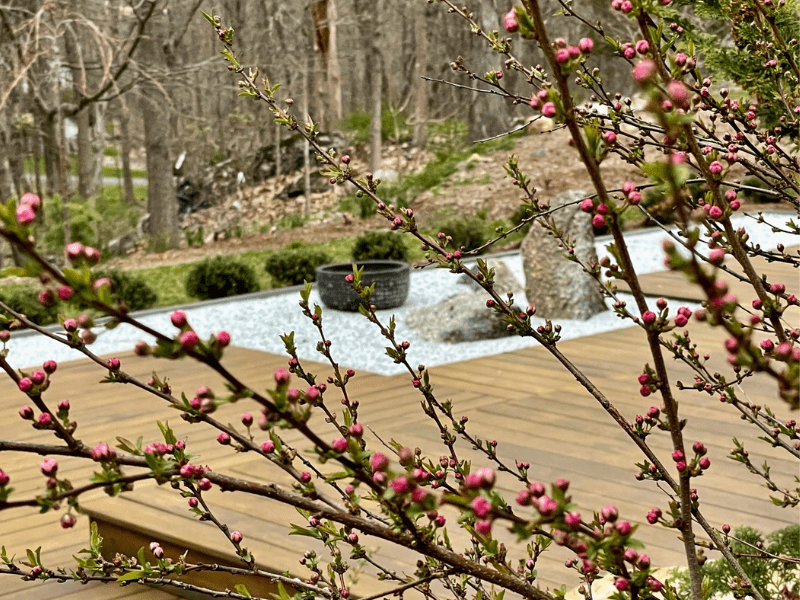
A budding tree with the Zen garden in the distance.

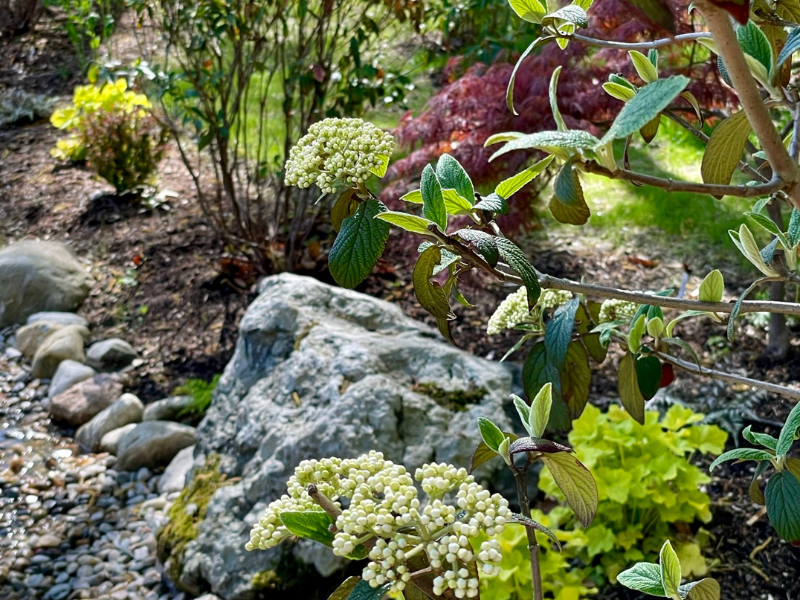
The budding Sweet Almond Tree (Prunus dulcis), a gift from Dan, draws the eye toward the Zen Garden in the distance.

The central section of the garden with stream and native plantings.

“Some would say that I was learning to follow the Tao – what became clear is that the garden would become an extension of my becoming.” ~ Anáil Moon

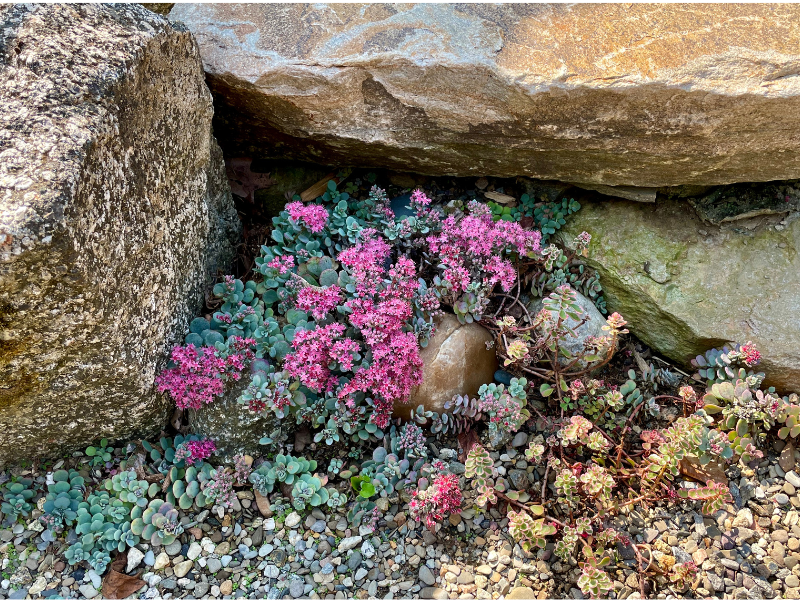
Succulents nestled into natural stone.

Fall-blooming succulents nestled amid natural stepping stones.

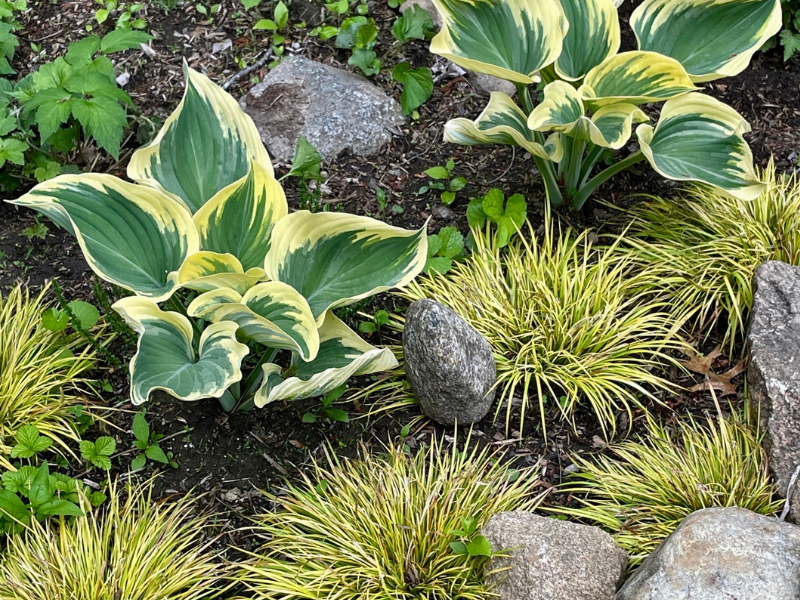
Hosta and grass with natural stone.

The experiences within the garden is textural and never-ending in both variety and scope. 

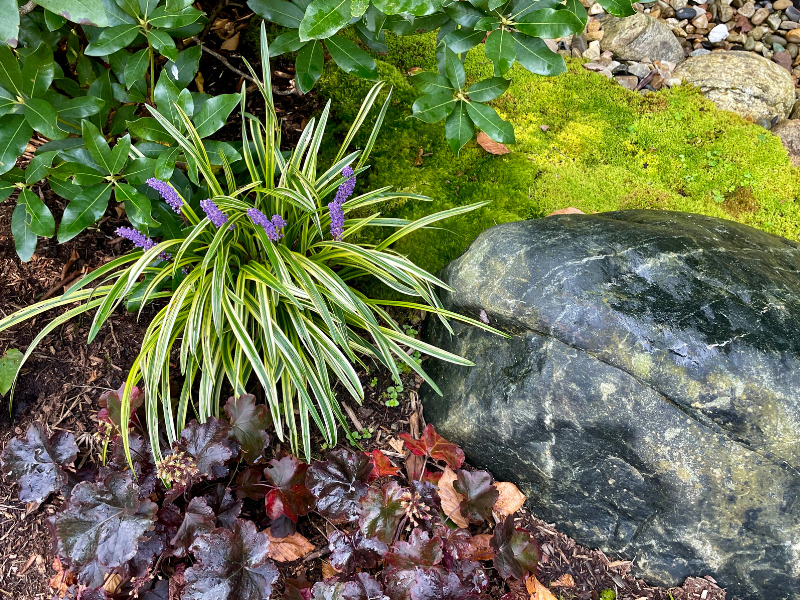
Perennials, moss, and natural stone.

Many captivating combinations lie at the heart of the Japanese Garden.

Native meadow setting, front of house.

The lush pollinator meadow is a highlight as you approach this magical property.

Natural pollinators that make up the heart of the meadow.

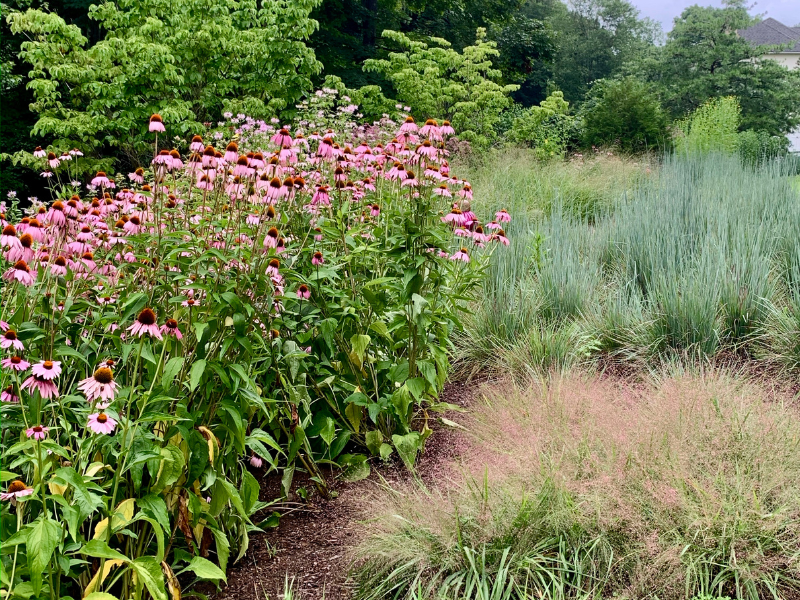
Coneflowers, ‘Schizachyrium scoparium’, little bluestem, and ‘Muhlenbergia capillaris’, pink muhly grass, heighten the level of texture in the native meadow. 

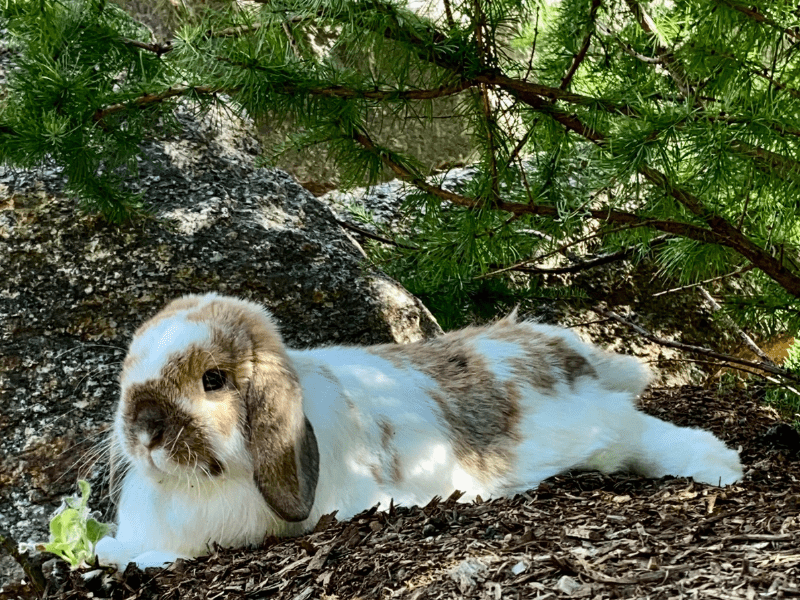
The family bunny.

Miel, enjoying everything his special home has to offer…lunch in tow.

10 Ways to Create a Secret Garden

You can design your garden to feel like a secluded backyard retreat, a world apart from the hustle of daily life

No matter where your plot of land is — in the heart of a bustling city or down a quiet lane — there’s an opportunity to make your yard feel like a secret, secluded space. The best secret gardens not only feel private, but they also have a certain magic about them, evoking the sense of being removed from the hustle of daily life and transported to somewhere else entirely. Let’s take a look at 10 ingredients that not only give secret gardens privacy, but a sense of magic as well. 7. A Connection With Nature

Welcome bees, butterflies, birds and other small creatures to your secret garden by offering sources for food and water, and areas for shelter. Choose native plants and others that support pollinators. Allow plants to go to seed — which can become food for birds in fall and winter.

Welcoming these connections with wildlife may give new meaning to your experience with the garden.Photo by Holmes Fine GardensMore home design ideas

Read Full Article on Houzz

One Fantastical Garden

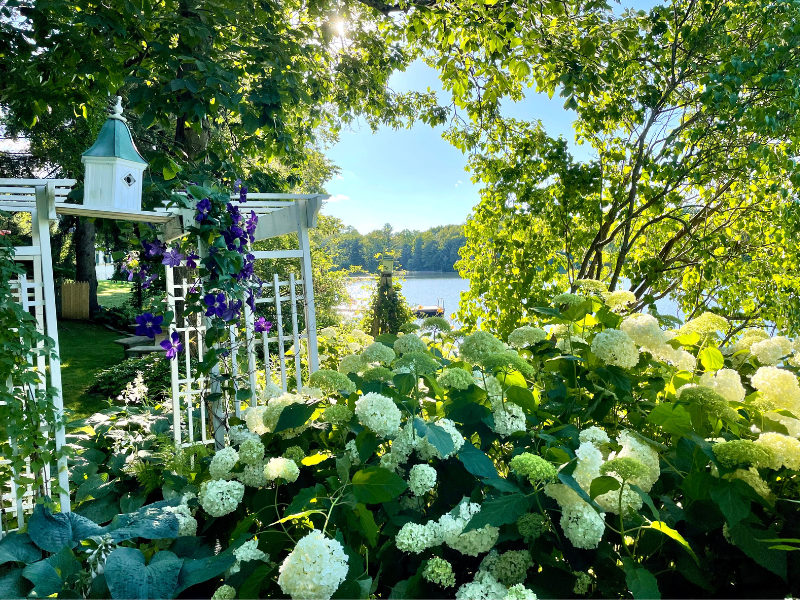
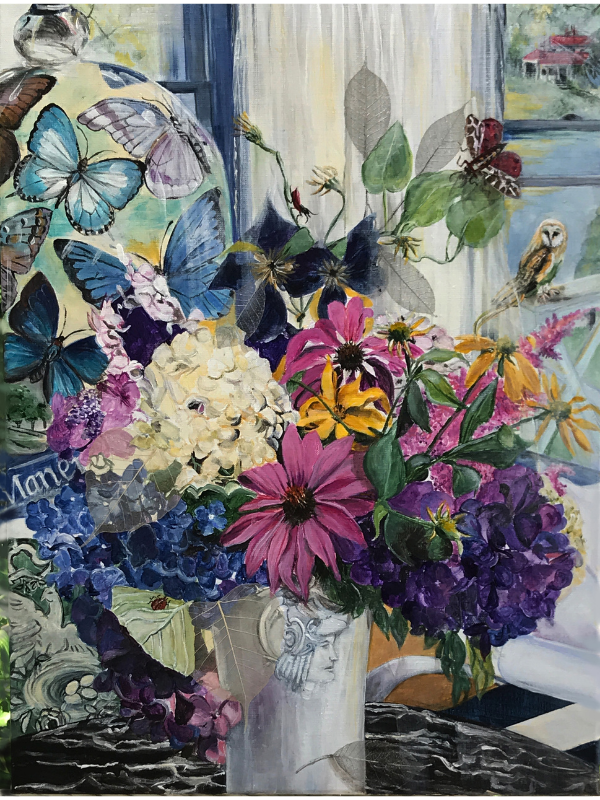
For Susan McLaughlin, her wooded, lakeside house in Newtown, CT plays an influential role in her artistic vision as a magical realist painter. By providing her with an environment that comes alive with the sights and sounds of nature, she’s able to closely study as an explorer would by uncovering, recording, and rearranging the beauty of the natural world and the beauty of human beings.

This connection to nature comes from her horticultural interest manifested in the daily ritual of digging and pruning in her Connecticut garden. A daily ritual of physical immersion with the dirt and the worms of life contrasts with the otherworldly fantastical spaces she creates for her paintings. The paradoxical character of these two places imbues her paintings with an alluring mystery.

Enjoy this visual tour as we bring Susan’s property to life through images that depict the relationship between her paintings and gardens.
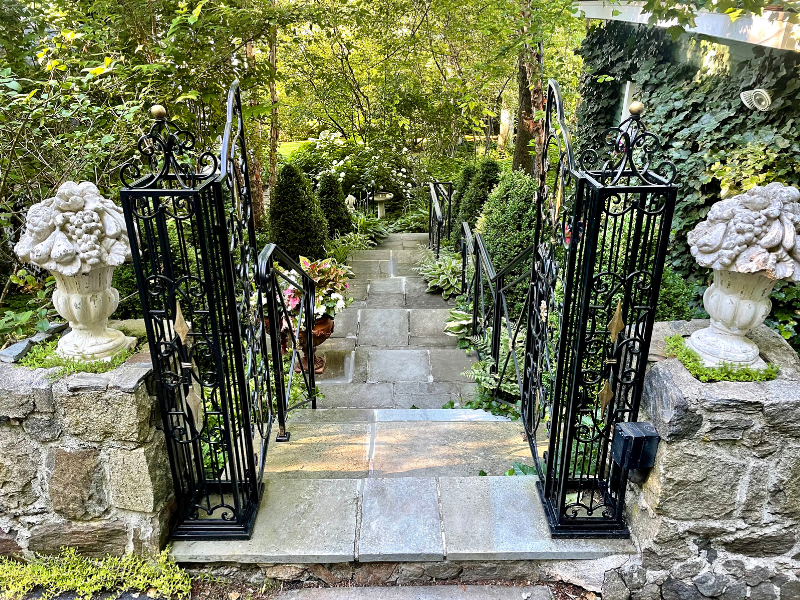
The alluring entrance to a beautiful garden setting.
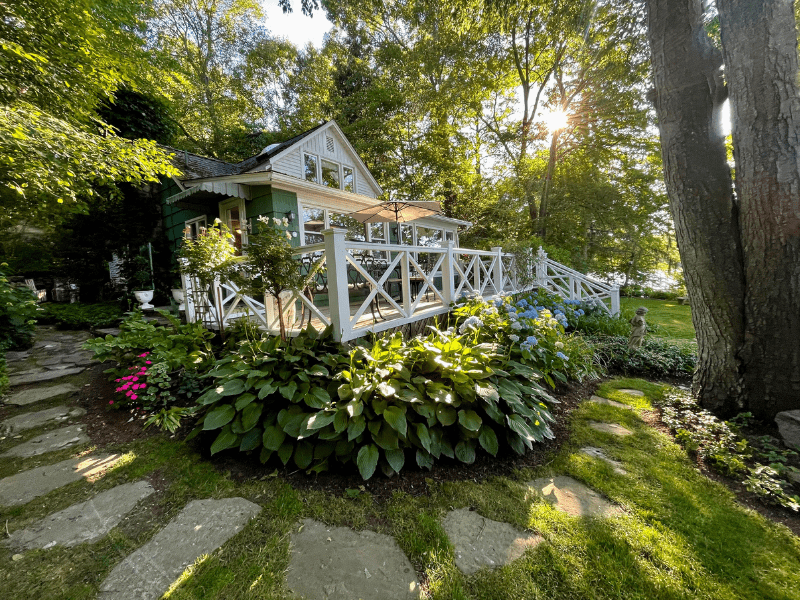
Foxglove Cottage in full view.
A warm welcome.
The perfect spot for morning coffee.
Lady of the House
Taking center stage.
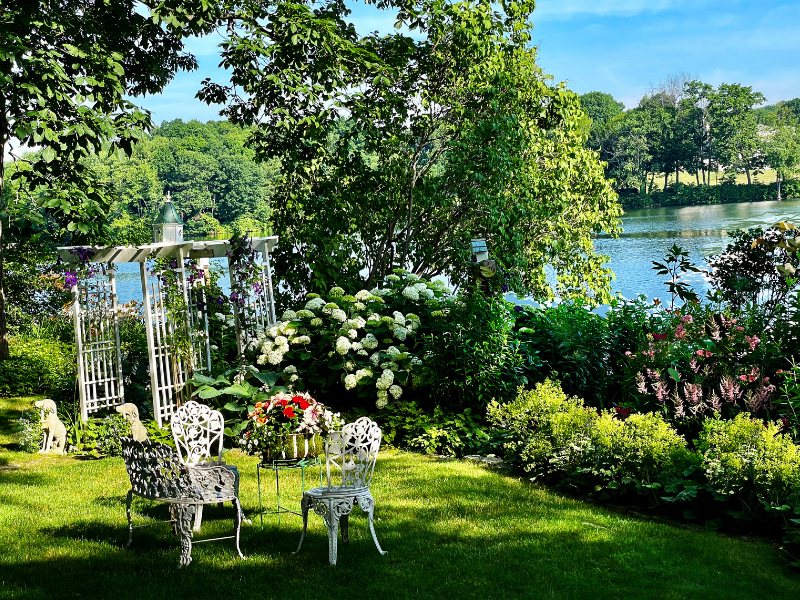
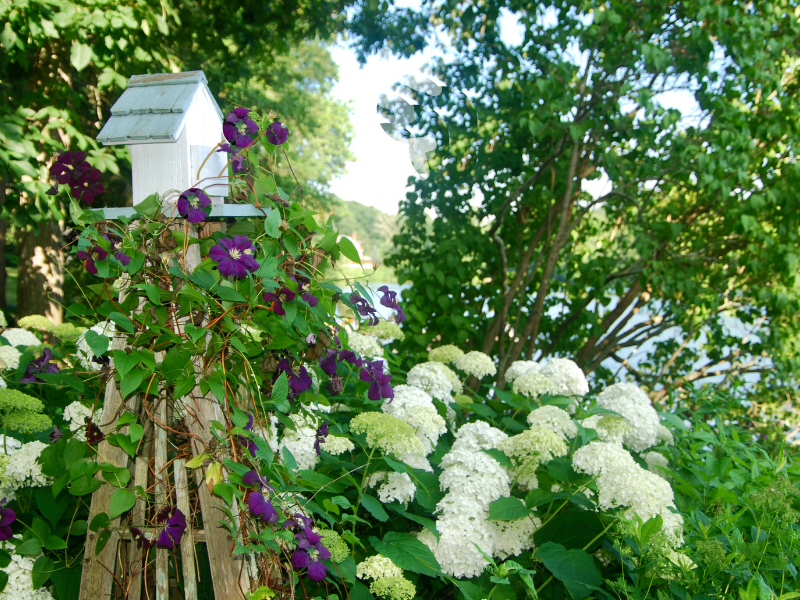
Hydrangeas and clematis in full bloom.
Reflective blooms.
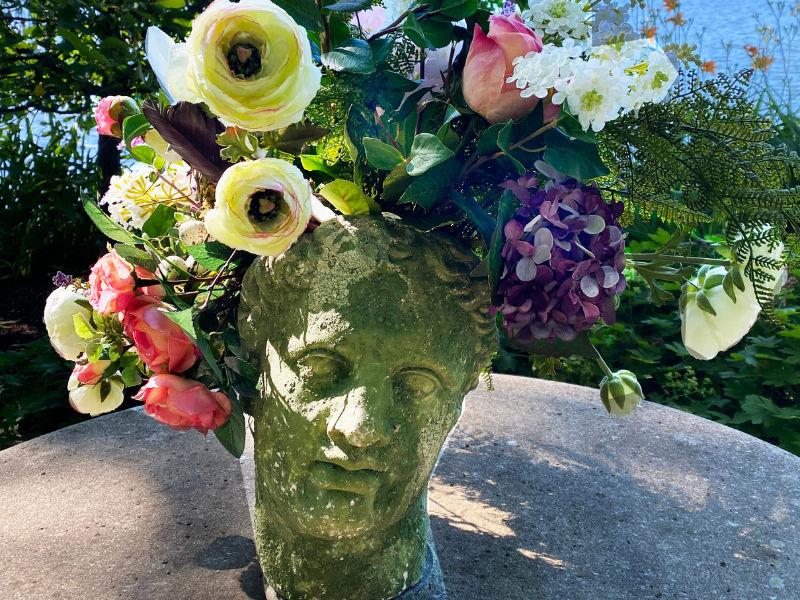
A perfect head of flowers.
Untitled design (25)
Midnight Rose


Learn more about Susan and explore her recent paintings.

Photography by: Kimberly Charles

The Dog Days of Summer To-Do List

mid summer garden

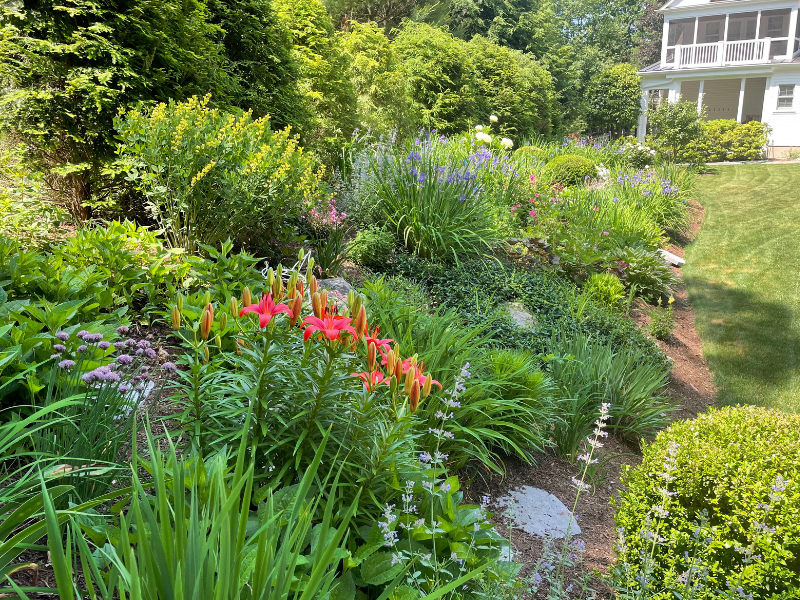
Local garden during the height of summer

watering plants

Water wisely

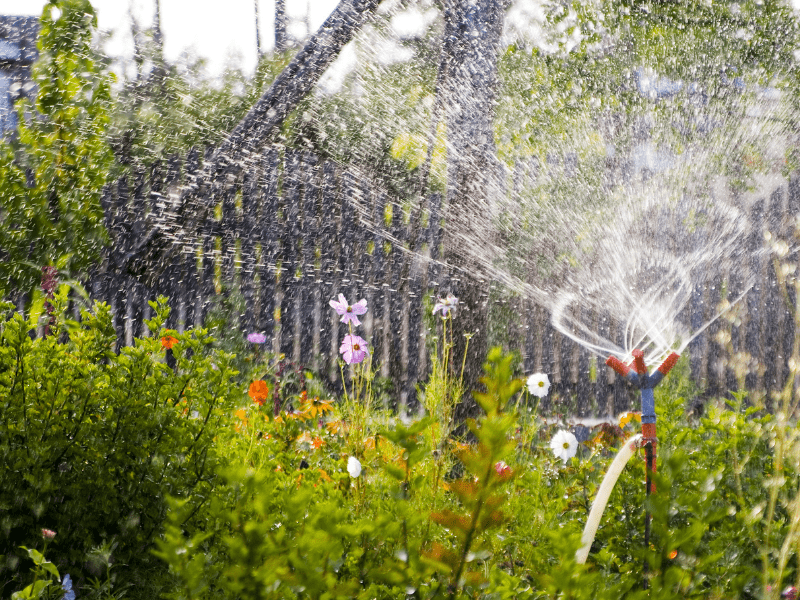
A Water-Wise Focus: A saturating inch per week is optimal for most plants. Allow lawns to go dormant during a period of drought and regularly water only new annuals, perennials, shrubs, and trees. Saturating plants about an inch a week is optimal for most plants. Plan to water early and on windless days to prevent evaporation.

container garded

Late summer container garden

Give Container Plants a BIG Drink. Plants confined to containers need extra attention on hot days to prevent stress and wilting. Check them first thing in the morning and again in the afternoon for soil moisture and signs of wilt. Certain containers in full sun may need daily or even twice daily watering during heat waves. Always water deeply enough that water runs out the drainage holes.

Fertilizer

Fertilize annuals and tender perennials.  Every two weeks to once per month during the growing season, consider diluting a solution of organic fertilizer such as fish or seaweed emulsion for a simple, sustainable way to feed your plants.

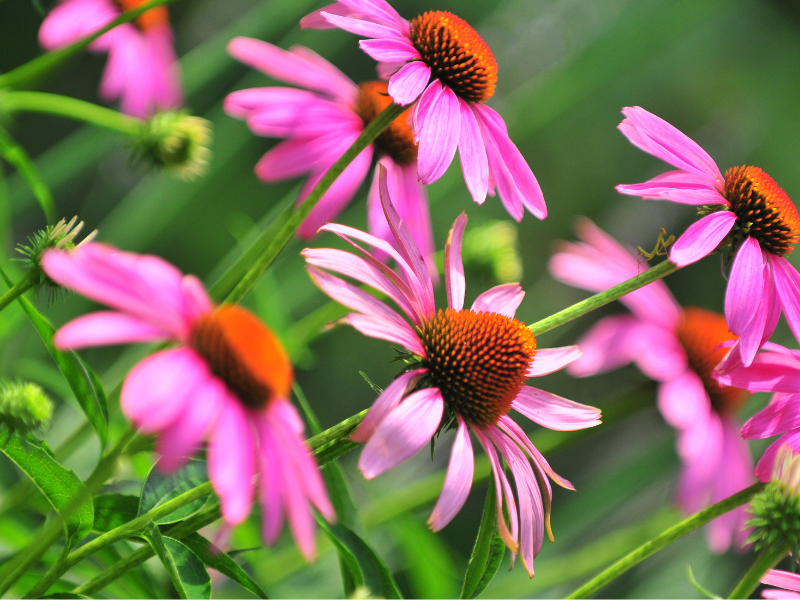
echinacea plants

Deadheading echinacea facilitates flower bloom

Deadhead for extended blooms. Some plants, particularly annuals such as marigolds zinnias, and cosmos, may be tricked into extended bloom if they’re prevented from setting seed. For others, the seed heads are half the fun of the plant and may be allowed to remain for fall and winter interest, bird food, and self-sowing. Start collecting ripe seeds from your favorite early blooming annuals, biennials, and perennials. Keep them dry in paper bags, coin envelopes, or jars for planting the following spring.


Poolscaping 101

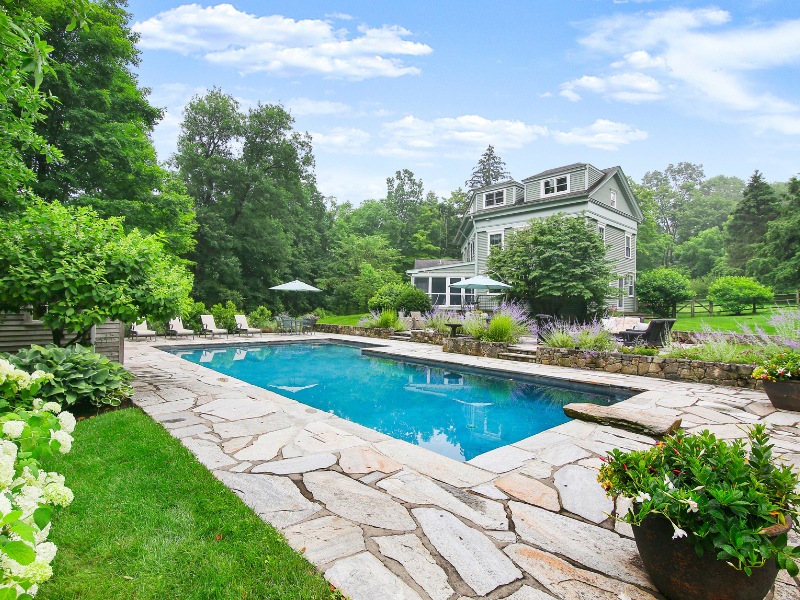
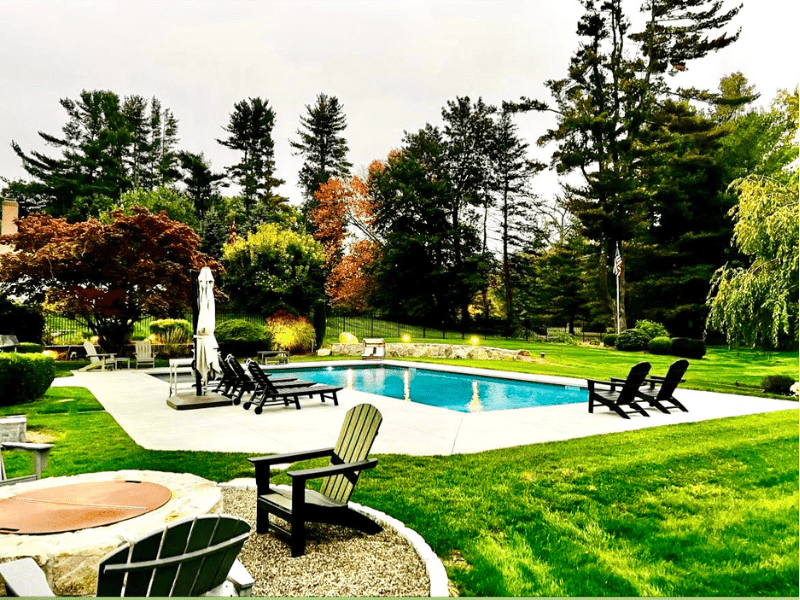
antique property with pool and landscaping

Bucolic Antique

Before you start planting, consider the following:

Color: Ensure you have continuous color from spring through late fall. Pines, ferns, and hostas provide a relaxing, cool feel, while black-eyed susans, echinacea, and lilies add pops of color. Mulch adds a finishing touch and the earth tone accentuates the plants from the hardscape area of your pool.

Texture: Different plants provide different textures. Ferns and grasses add movement, allure, and an ethereal feel along with a Zen atmosphere of calm and coolness.

Visual appeal: Potted palms, papyrus, and banana trees add an authentic tropical island feel. They’re also hardy enough to handle splashes of pool water with chlorine, saline pool water, and pool cleaning chemicals. Bonus! You can bring these plants inside to overwinter for year-round enjoyment.

Longevity: You don’t want to plant new trees, shrubs, and flowers every year (except for a few annuals). Be sure to invest in plants that are well-suited to our fluctuating climate.

Privacy: Arborvitae and other shrubs provide natural screens to keep your area private while you and your family enjoy your pool.

Poolside landscaping softens hardscapes

Bucolic Antique

PROFESSIONAL TIP: It’s best to consider starting with native plants (our specialty!) because they handle the New England climate well and can tolerate dry periods, as well as the changing seasons.

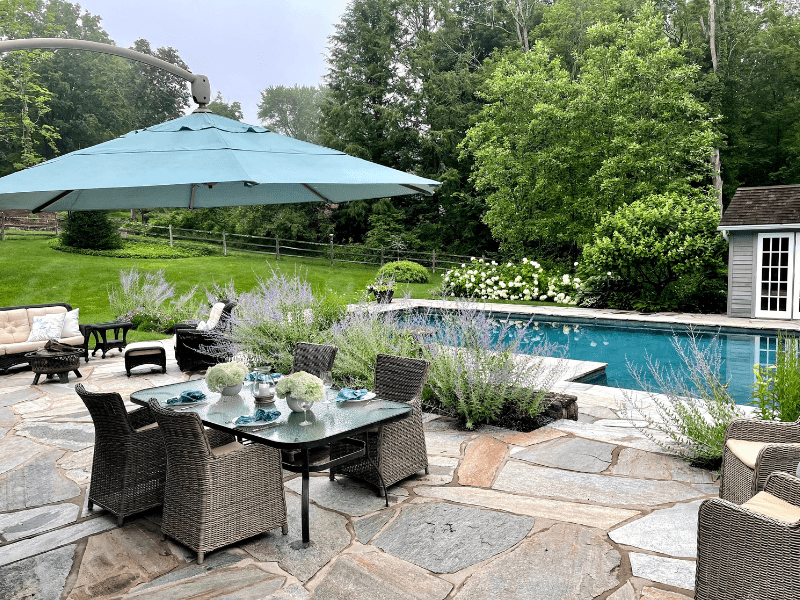
Hydrangeas soften pool harscape

Hydrangea lineup

Poolscaping at its best with color, texture and outdoor lighting

Poolside at dusk

A Deep Dive into Invasive Plants


As the owner of Holmes Fine Gardens, I spend a lot of time driving through the neighborhoods of Newtown and its surrounding towns. And since this region is void of skyscrapers or big cities (ok, we have none!), the world around me is clearly in view at all times. I observe lakes, forests, sterile road intersections, underpasses, cul-de-sacs, suburban roads, and property after property with their green spaces in between, filling the voids. 

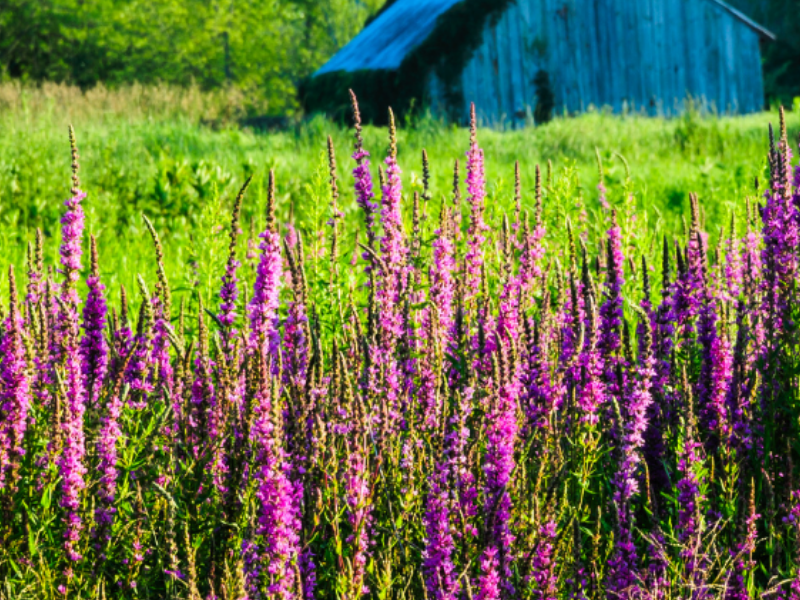
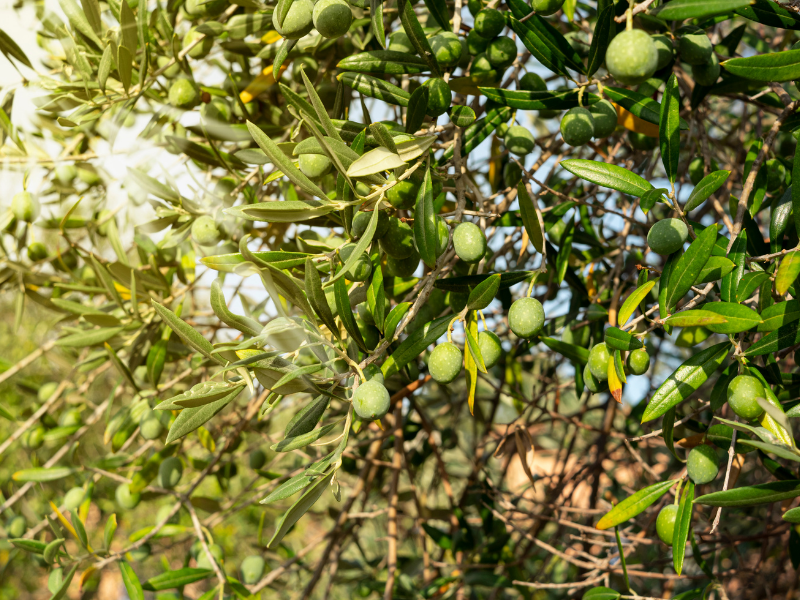
Unfortunately, that void often equates to invasive plants or the competitive plant thugs easily seen from the roadside as I cruise by in my truck. These may include creeping tendrils of bittersweet collapsing and strangling everything in its path, a sea of Purple loosestrife filling entire fields to the brim, walls of Barberry foliage, Autumn olive, or Burning bush, just to name a few of the culprits common to our area.

At certain times of the year, these plants have their day in the sun and are quite pleasing to the eye. From Burning bush ablaze with fiery foliage in the fall to Autumn olives’ sweetly fragrant, shimmering gray-green leaves that entice the senses. These plants are often looked upon with sympathy and saved from the secateurs or herbicide. The mindset being – if nature didn’t want them to thrive, they wouldn’t be here in the first place.   

Many of these plants were introduced by either the US Highway Department to help with slope stabilization or wayward travelers returning with cuttings or seeds of ornamental and medicinal plants. Not all non-native plants are as opportunistic – some lure our songbirds and insects with berries and seeds, becoming their dispersal service that has originated from a newly tilled area or spot of barren earth.

Why do we need to worry about these plants? The USDA Forest Service estimates that 42% of our native plants are taken over by invasive species. They outcompete our native flora, and like it or not, many are here to stay. However, giving in to these aggressive plants is not an option. What can we do? We need to pick our battles and fight back in areas that make the biggest impact. 

The characteristics of these plants stand out, making them easily identifiable: They are the first plants to leaf out in the spring, they topple native trees and shrubs, they create a line-of-sight driving hazard on tight corners, and they suppress the desirable plants that create the biodiversity that our birds and insects rely on to thrive. Further, they are just an eyesore. In many communities similar to ours, numerous organizations work together to manage these unwelcome pests by replanting with vegetation beneficial to our native fauna.
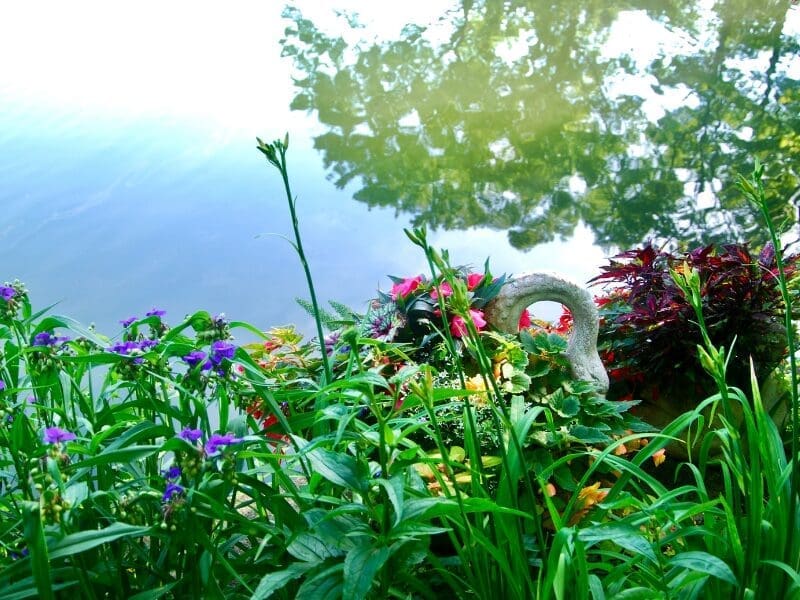
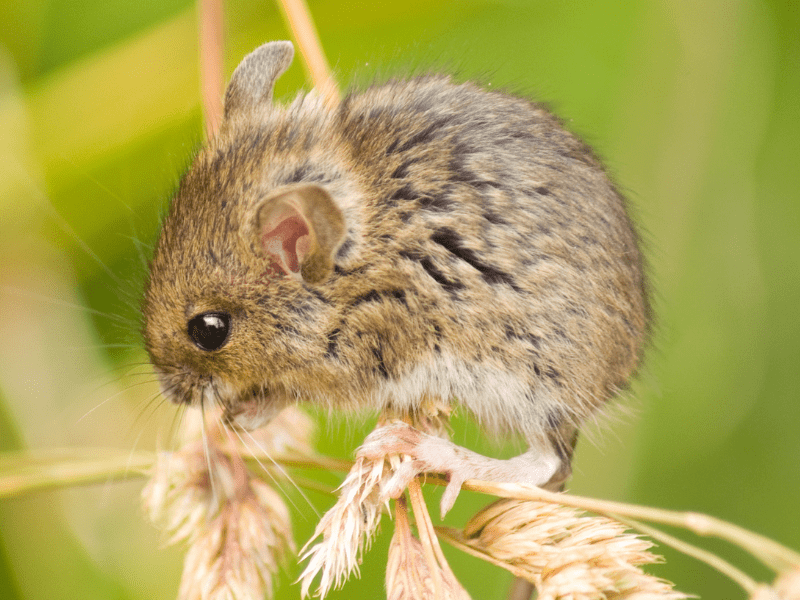
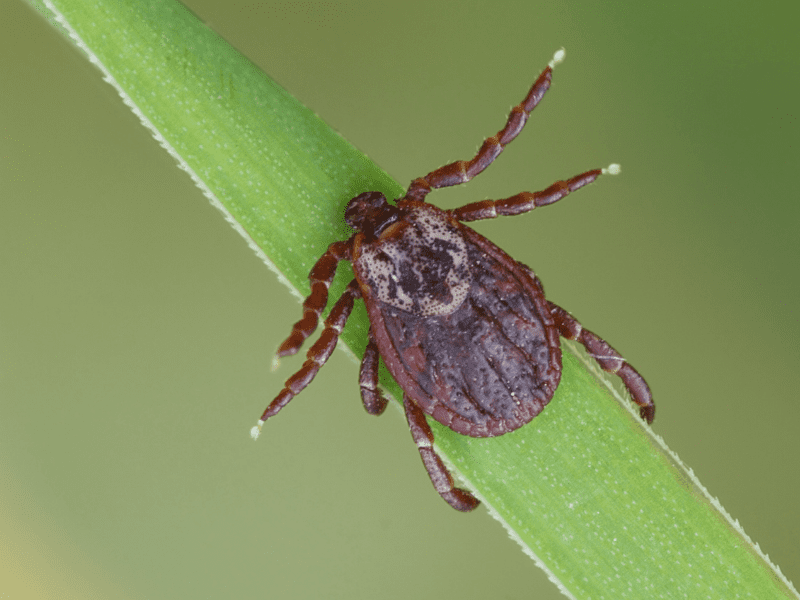
Invasive plants can also become a public health risk. This may occur between Japanese barberry, ticks, the local mouse population, and Lyme disease. Due to its gnarly, thorny nature, barberry can quickly take hold. Add in its high seed count combined with the plant’s natural ability to alter the pH of the native soil, and you have an invasive plant that can thwart its competitors. The result? The white-footed mouse can now live free and easy because its living quarters are impenetrable, allowing both the mouse and tick population to thrive.

Clearly, I’m not a fan. In areas with a high density of Japanese barberry, there is an increase in tick populations (and mice), which increases the potential for Lyme and other-tick borne illnesses.  

For now – because of the need to focus on one concern at this time (bad plants) and the need for brevity to hold your undivided attention – let’s just agree that ticks are a public health concern causing all manners of physical pain and sometimes lasting health concerns.

These unsightly and overgrown areas represent an imbalance that we have all grown so accustomed to seeing, we can hardly imagine what a drive in the country would look like without these plants blocking our view. 

At Holmes Fine Gardens, we are passionate about improving the aesthetic and functional landscape that we all participate in, whether observed through the windshield of our car as we drive by or in our backyard. Although this may sound like an enormous task, each of us should be dedicated to helping restore each plot of land we are invited to work on, large or small.

Please call us with questions at 203-270-3331. We are more than happy to survey your land or help develop strategies to manage all aspects of your property.


Welcome Fall & the Wonders of Water Features

Welcome to the Fall Edition of our Quarterly Newsletter! 

The Pumpkin Spice Everything season has arrived, and that means a busy time in the garden on all fronts. Fall is a great time to get to work on the usual end of season checklist but it’s also a time to move forward with your wishlist… from planning out a fresh garden design… to planting that cool specimen tree you’ve been dreaming of… to creating that new perennial bed with the plants you scored at that great end of season sale. On our end, we’ll be doing a bit of all of this right alongside you.

Water Features – A Multi-Sensory Experience  
water feature in landscape

Heron admiring the view

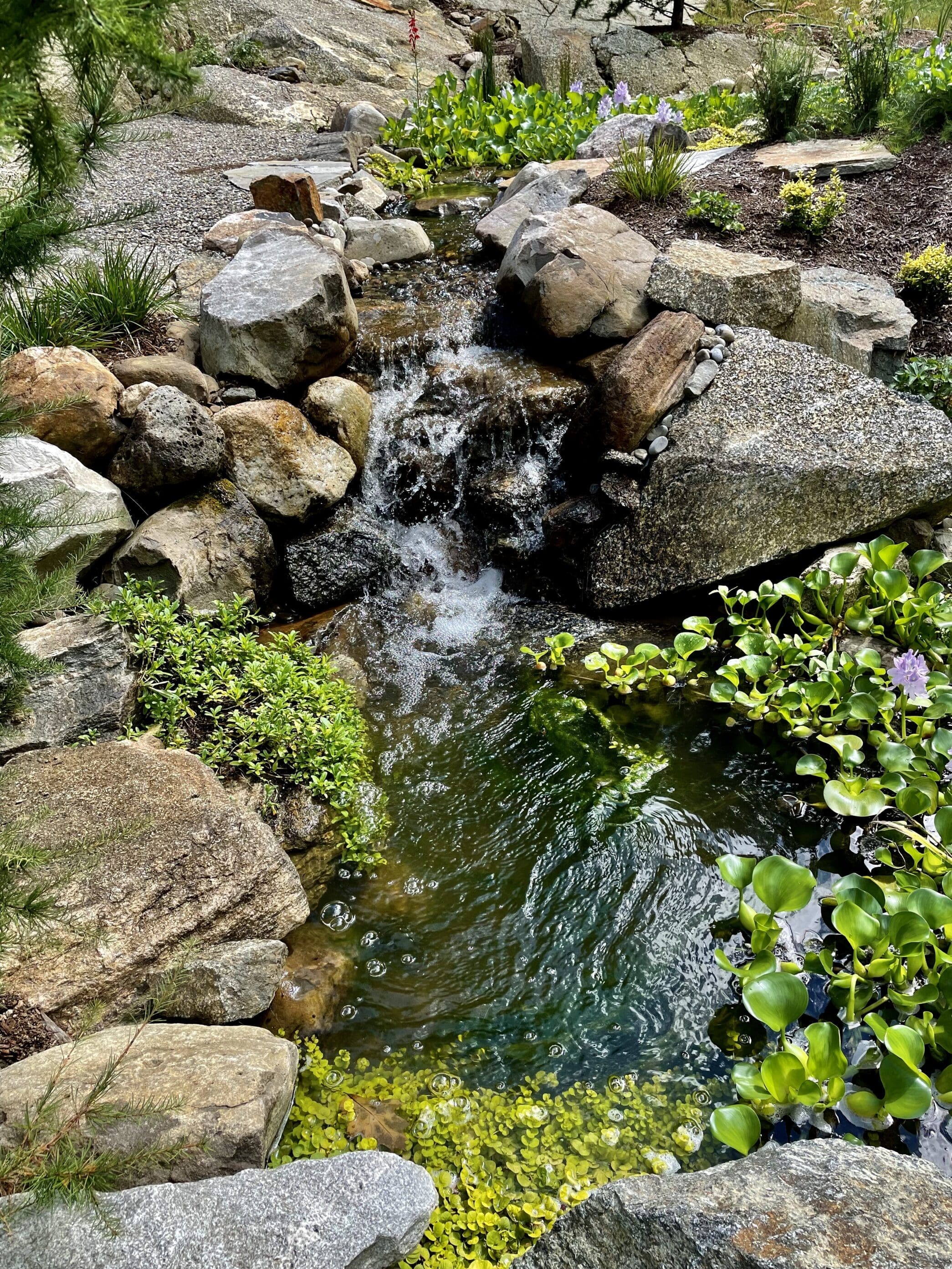
Soul soothing and beneficial to local wildlife, a water feature, be it a pond, stream, or waterfall, provides instant relaxation and peace to your property. We regularly collaborate with Cooper Ponds – Danbury, CT on the design, installation, and drainage requirements for custom water features in our area. Not only does a water feature add value to your home, it significantly cools the temperature of your outdoor space creating an environment you can enjoy on a hot summer day.

natural stream

Recreation of a natural woodland stream

It’s time to plant bulbs & spruce up those outdoor containers! 

If you’re in need of bulb planting or adding a custom fall container or two… just reach out.
We are here to help!

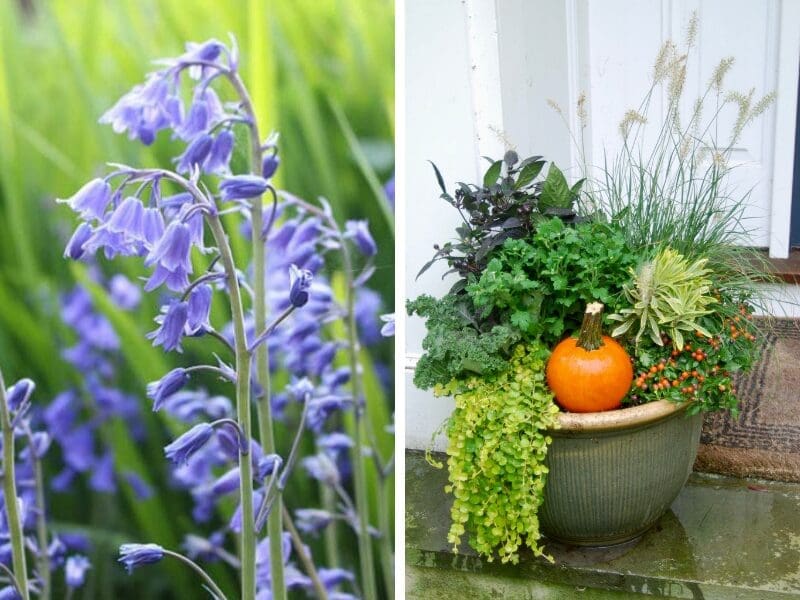
bulb and container garden

Photo Contest

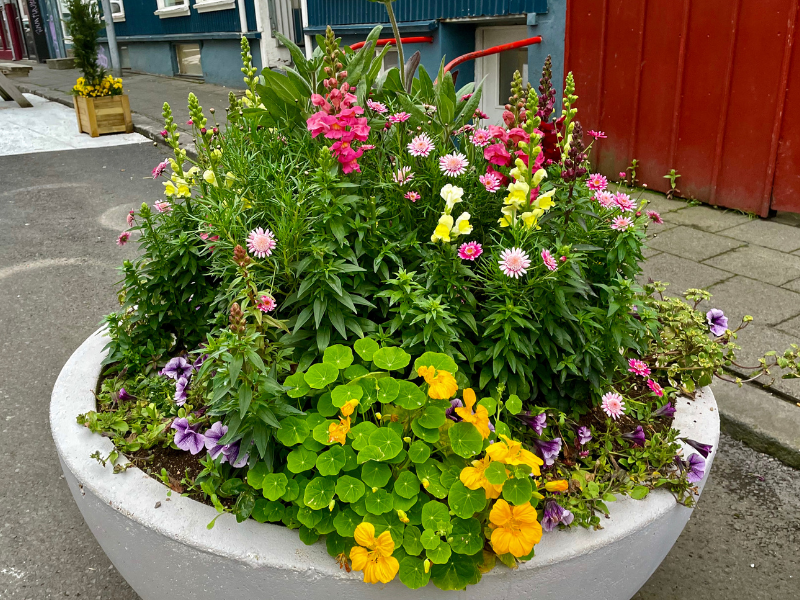
Icelandic Container Garden

Icelandic Container Garden


Keep Those Photos Coming!

Submit your garden or plant-inspired photos by November 1st to be entered to win one of our exciting prizes!

The Details

We are looking for shots that capture the beauty, color, creativity and candidness captured in your own garden setting. Photos that bring your garden to life!

Enter your best shots in our 2021 Photo Contest and you could win…

1st place – one 10-foot flowering tree installed by Holmes Fine Gardens

2nd place – a 1-year membership to New York Botanical Gardens ($90 value + 2 complimentary Member passes)

3rd place – a $50 Gift Certificate to Shakespeare’s Gardens

INSTRUCTIONS:
  • Email no more than 3 of your best photos to –marketing@holmesfinegardens.com
  • All entries must be sent in by November 1st
  • Prizes will be awarded on December 1, 2021
***Should you NOT want your submitted photos used in our future marketing material including print and internet please note this in your return email. Should we use one of your photos we will, of course, give you a photo credit!

TAKE A CLOSER LOOK

Sweetness Every Season
Sweet Bay Magnolia

Sweet Bay Magnolia


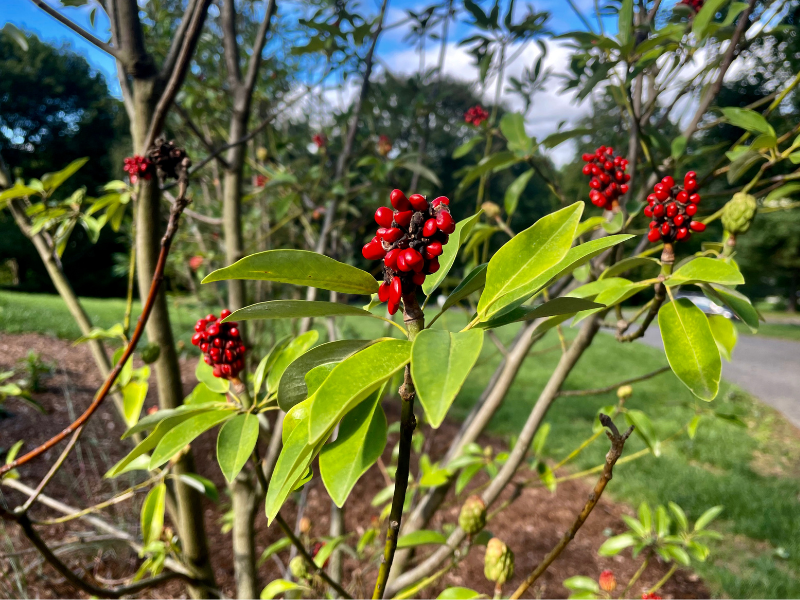
Magnolia virginiana – Sweet Bay Magnolia  

Sweetbay magnolia is a small, gracefully shaped tree that has a lot to offer throughout all four seasons. This native ornamental bears attractive, lemon-scented flowers in spring and sporadically through the summer. Glossy green foliage persists on the tree nearly all year long. Showy red cone-like fruit provides color, interest, and food for wildlife in fall, and smooth gray bark adds beautiful color and contrast in winter.

SWEET DIRT

Welcome to Sweet Dirt! In this section of our newsletter, you’ll find links to local activities to seek out, books to read, movies to watch, and other tidbits – all with a nod towards the horticultural world we love.
 
The Perfect Season to Take a Hike!
Holcombe Hill Nature Reserve

Holcombe Hill Nature Reserve

Reconnect with nature during this colorful time of year by exploring one of Newtown’s many parcels of protected lands – forest bathing at its best! Over the years, the Newtown Forest Association has done a tremendous job protecting more than 1,100 acres of open space, forest, farmland, wildlife, nature preserves, and watersheds throughout Newtown with the goal of sustaining these beautiful spaces for future generations.

Some of our favorite protected lands worth exploring include:

Holcombe Hill Wildlife Preserve:
This 86-acre parcel of land boasts an elevation of 830 ft above sea level, one of the highest points in Newtown, and offers spectacular views of three counties from its 30 acres. The preserve is the perfect place for dog walking on freshly mowed/maintained pathways, a photoshoot from the highest point, or a woodland exploration along its edges. Be sure to take note of the everchanging native plants that truly bring beauty to every season.

Nettleton Preserve:
Offering the most spectacular view in Newtown, Nettleton Preserve is the start of a five-mile hike that terminates 5 miles north on a horizon of rolling hills. This Preserve offers the opportunity for a short meander through the immediate fields and is also a popular spot to sit with a cup of coffee and admire the view from one of the highest points in town. Holmes Fine Gardens contributed to this outdoor space by planting a variety of disease-resistant crabapple trees at the start of this bucolic trail. Varieties include: Prairie Fire, Floribuyda, Adams & Donald Wyman.

Brunot Preserve – Meadows:
The magic of the meadows awaits as you stroll through the woods and over gently rolling hills on this 3.1 mile loop. The west side of the property will take you in and out of Bethel. Fun Fact: James Brunot is known for having produced the board game Scrabble and manufactured the wooden pieces locally.

Hattertown Pond Preserve:
This 28-acre property is chock-full of a little bit of everything including two streams, wetlands, ponds and vernal pools, beautiful rolling woodlands, unique stone walls, and evidence of historical agricultural activities. What more could you ask for in a hike?

White native aster

White native aster


We’d Love To Help You Enhance Your Surroundings

Our design, construction, and maintenance landscaping firm serves the towns of Fairfield County and surrounding towns.

Request a Quote
Holmes Fine Gardens